
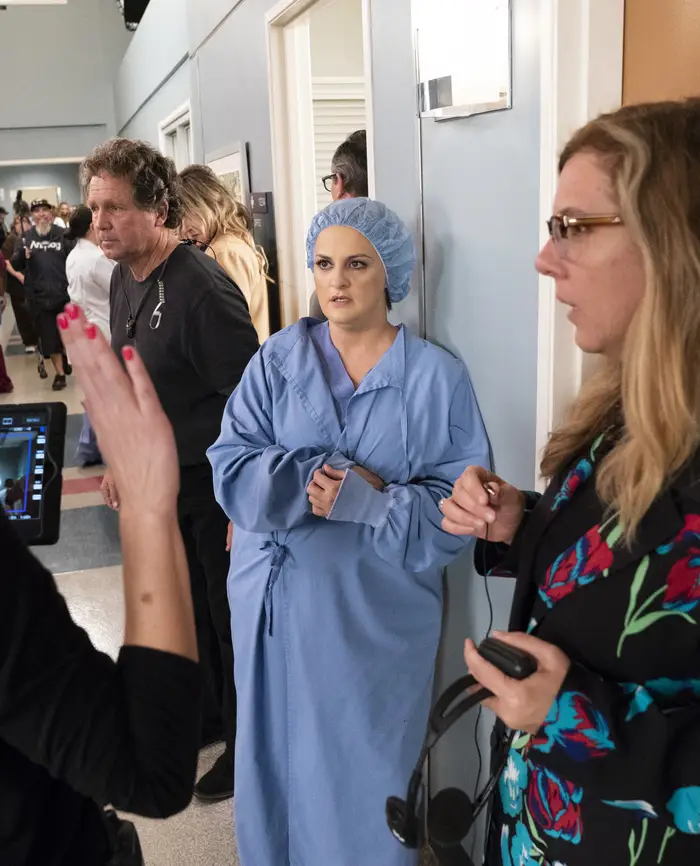


A new docuseries delves into the stranger-than-fiction story of Elisabeth Finch, a former writer for the hit show Grey’s Anatomy, who fabricated a story about having cancer. The revelations have shocked both the entertainment industry and viewers, highlighting the extent of Finch’s deception and the emotional impact it had on those around her.
The Rise and Fall of Elisabeth Finch
Elisabeth Finch was once a celebrated TV writer, known for her work on Grey’s Anatomy, where her supposed personal struggles with cancer were believed to have inspired some of the show’s storylines. Finch claimed to have been diagnosed with a rare form of cancer and shared her experiences with her colleagues and the public, earning sympathy and admiration for her resilience.
Her story, however, began to unravel in 2022 when reports surfaced questioning the authenticity of her claims. An investigation revealed that Finch had never been diagnosed with cancer, and that many aspects of her story, including alleged surgeries and treatments, were entirely fictional. The deception sent shockwaves through Hollywood, especially among her colleagues who felt betrayed by her lies.
Manipulating Empathy and Trust
The docuseries, which examines Finch’s story in detail, sheds light on how she manipulated the empathy of those around her. Finch’s accounts of battling cancer were often delivered with vivid detail, which made her story more convincing. Many in the industry rallied around her, offering support and opportunities based on her supposed struggles.
“She preyed upon that empathy,” a former colleague shared in the docuseries. The series explores how Finch’s actions not only misled those close to her but also caused significant emotional distress when the truth came to light. The impact on those who trusted her, from co-workers to friends, is a central theme, highlighting the deep personal toll of such a betrayal.
Grey’s Anatomy and Beyond: A Legacy Tainted by Lies
Finch’s deception had a direct impact on Grey’s Anatomy, where her personal narrative was believed to have shaped some of the story arcs on the show. As a writer, she was seen as a voice bringing real-life struggles into the scripts, adding depth to the medical drama. The revelation of her lies has prompted discussions in the industry about the responsibilities of storytelling and the ethics of using personal experiences as creative inspiration.
While Grey’s Anatomy has continued without Finch, the docuseries raises important questions about the vulnerability of those working in close-knit creative environments. The trust between writers and their peers is essential in such settings, and Finch’s deception has highlighted how easily that trust can be exploited.
Public Reaction and Industry Response
The story has stirred a mix of reactions from the public, ranging from anger to disbelief. Many have criticized Finch for taking advantage of a deeply personal issue like cancer, a struggle that affects millions of people globally. Her actions have been seen as particularly harmful in the context of the broader fight against cancer, where stories of survivors often serve as sources of inspiration and hope.
Industry insiders have also spoken out about the need for greater transparency and accountability when individuals share personal stories in professional settings. The docuseries captures these perspectives, providing a platform for those who were misled by Finch to share their side of the story.