
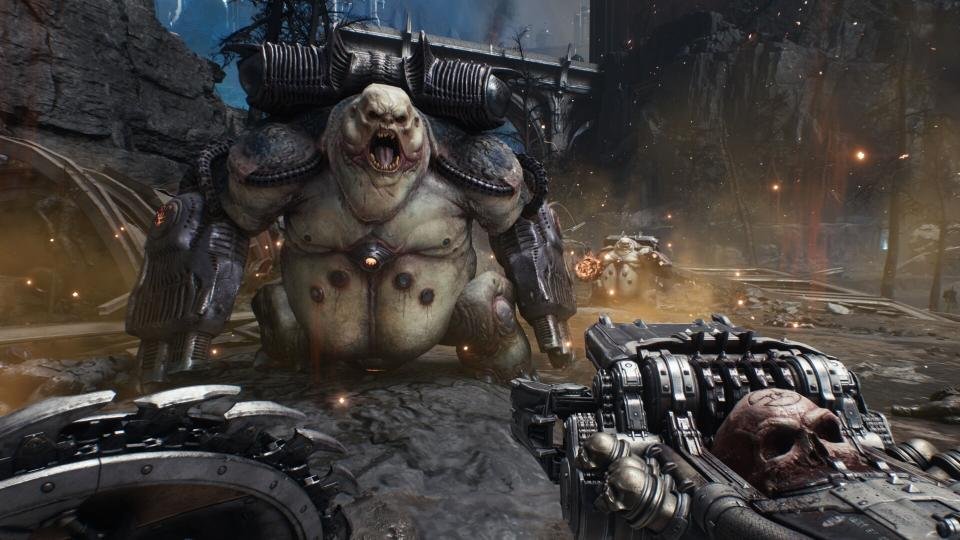


The DOOM franchise takes an ambitious leap into uncharted territory with its latest entry, DOOM: The Dark Ages. Positioned as a prequel to the critically acclaimed DOOM (2016), this medieval-themed chapter promises a fresh perspective on the Slayer’s eternal war against the forces of Hell. At a recent preview event, I got an exclusive look at extended gameplay footage and sat down with the development team to uncover the innovative features shaping this bold new installment.
A Medieval Battleground
Set during a fictional medieval conflict, DOOM: The Dark Ages follows the DOOM Slayer as he battles Hell’s forces in a world of castles, dungeons, and war-torn landscapes. The change in setting is not just aesthetic—it deeply influences gameplay, weaponry, and the overall narrative tone. While still grounded in the high-octane intensity the franchise is known for, the medieval backdrop lends the game a gritty, primal atmosphere that feels fresh yet unmistakably DOOM.
Stand-and-Fight Combat
The gameplay in DOOM: The Dark Ages shifts the focus to “stand-and-fight” mechanics, offering a deliberate contrast to the run-and-gun action of DOOM (2016) and the jump-and-shoot chaos of DOOM Eternal. This new approach transforms the Slayer into an iron tank, built to absorb punishment while dishing out devastating blows.
Combat revolves around closing the distance between you and enemies, leveraging heavy melee weapons like maces and battle-axes alongside reimagined versions of DOOM’s iconic firearms. The slower, methodical pacing enhances the sense of weight and danger, forcing players to strategize their attacks and endure relentless onslaughts.
A Nod to Classic DOOM
Despite its innovations, DOOM: The Dark Ages pays homage to the franchise’s roots. The strafe-and-shoot combat style that defined the original games makes a triumphant return, seamlessly blended with the modern mechanics introduced in recent entries. Players will once again find themselves weaving between enemy attacks, searching for key openings to exploit with devastating firepower.
Arsenal and Abilities
The medieval theme extends to the Slayer’s arsenal, which now includes medieval-inspired weapons like a crossbow that fires explosive bolts and a massive, rune-inscribed claymore. At the same time, futuristic elements remain, with the iconic BFG and plasma rifles making appearances in modified forms. The balance between ancient and advanced weaponry creates a unique gameplay dynamic.
Additionally, the game introduces new abilities tied to the medieval setting, including a shield bash that doubles as a counter-attack and environmental interactions like collapsing walls to crush enemies.
Visuals and Atmosphere
From the moss-covered stone corridors of abandoned castles to fiery hellscapes blending medieval architecture with demonic influence, DOOM: The Dark Ages is visually stunning. The development team emphasized the effort put into creating a world that feels both authentic to its medieval setting and true to DOOM’s brutal aesthetic.
Developer Insights
Speaking with the developers, it’s clear they wanted to strike a balance between honoring the franchise’s legacy and pushing it in bold new directions. “We wanted to explore an untapped chapter of the Slayer’s story while still delivering the intense, visceral combat fans expect,” said lead designer Marcus Leclerc. “This medieval setting allowed us to experiment with new mechanics and themes without losing the essence of what makes DOOM, DOOM.”
The Slayer’s Darkest Chapter Yet
DOOM: The Dark Ages reimagines the franchise in a way that feels both familiar and entirely new. By blending medieval-inspired combat, iconic DOOM mechanics, and a gripping prequel narrative, the game promises to be a standout entry in the series. Fans of the franchise and newcomers alike have much to look forward to when this ambitious chapter finally launches.