
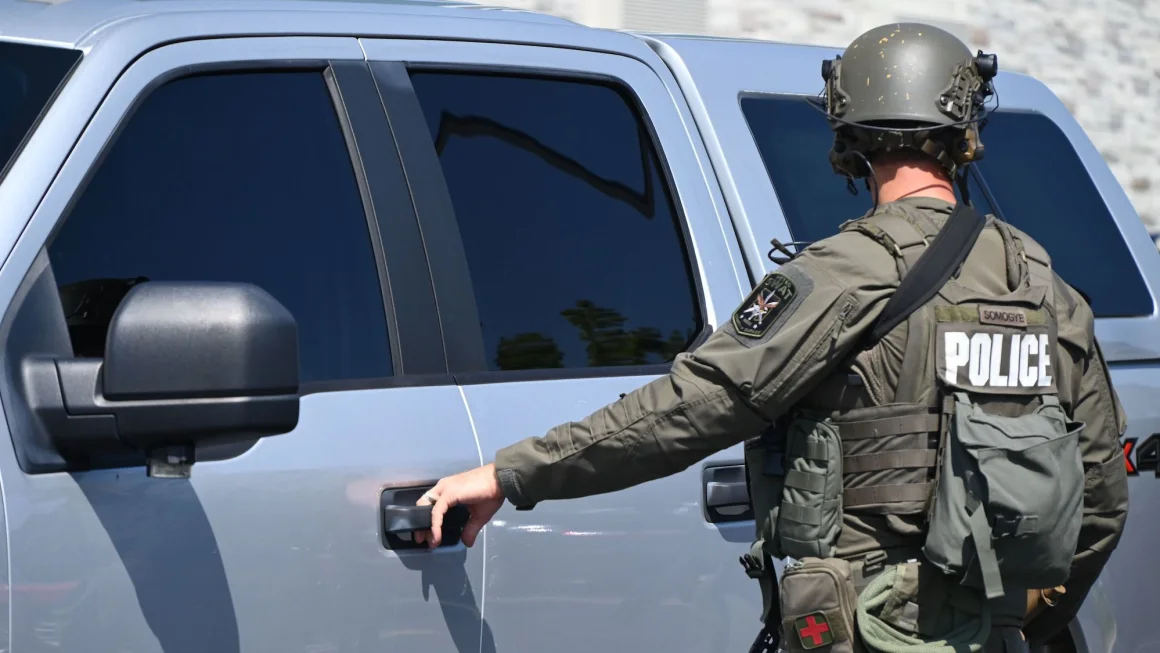


Swatting is a deeply concerning and increasingly prevalent tactic used to harass, intimidate, or endanger individuals. Here’s what you need to know about the phenomenon, its meaning, and its real-world implications, particularly in high-profile cases involving public figures.
What is Swatting?
Swatting refers to the act of making a false emergency call to law enforcement, typically reporting a serious threat like a hostage situation, active shooter, or bomb threat. The goal is to provoke an armed police response, often a SWAT (Special Weapons and Tactics) team, to an unsuspecting victim’s location.
- Swatting Meaning: At its core, swatting is a form of criminal harassment designed to frighten or harm targets by weaponizing law enforcement resources.
- Swatting Threats: These false reports can lead to dangerous confrontations, property damage, and even loss of life.
Origins and Evolution of Swatting
Initially linked to the online gaming community, swatting gained notoriety as a malicious tactic used during live streams to terrorize gamers. Over time, it expanded to target celebrities, journalists, and political figures.
Swatting and High-Profile Figures
Swatting has been used as a tactic against prominent public figures, including members of Donald Trump’s administration and transition team. Reports indicate that several nominees faced swatting incidents and other violent threats during Trump’s transition to the presidency.
- Incidents: Trump picks such as Pete Hegseth, Elise Stefanik, and Matt Gaetz were among those reported or suspected to have been targeted by bomb threats or swatting calls.
- Motivations: These acts often stem from political motivations or a desire to intimidate and discredit public officials.
Challenges in Combating Swatting
Law enforcement agencies face significant challenges in addressing swatting:
- Anonymity: Perpetrators often use technology to mask their identity, such as spoofing phone numbers.
- Rapid Escalation: The nature of emergency calls can create intense situations for officers responding under the assumption of immediate danger.
- Legislation: While swatting is illegal, laws and enforcement vary by jurisdiction, complicating prosecution.
Consequences of Swatting
- For Victims: Swatting can lead to trauma, property damage, wrongful arrests, and, in extreme cases, fatalities.
- For Perpetrators: Those caught face severe legal penalties, including felony charges, fines, and prison sentences.
- For Communities: Swatting wastes law enforcement resources, diverting them from genuine emergencies.
Raising Awareness and Prevention
Efforts to combat swatting include:
- Education: Increasing public awareness of the dangers and consequences of swatting.
- Technology Solutions: Law enforcement and telecom companies are developing methods to verify caller identities.
- Legislation: Stricter anti-swatting laws are being implemented in many states.
Final Thoughts
Swatting is a dangerous and criminal act that poses risks to individuals and communities alike. Its use as a tool to target political figures, as seen during Donald Trump’s administration transition, highlights the urgent need for stronger measures to deter and prosecute offenders.
Whether driven by malice or political motives, swatting is more than a prank—it’s a serious crime with potentially devastating consequences.