
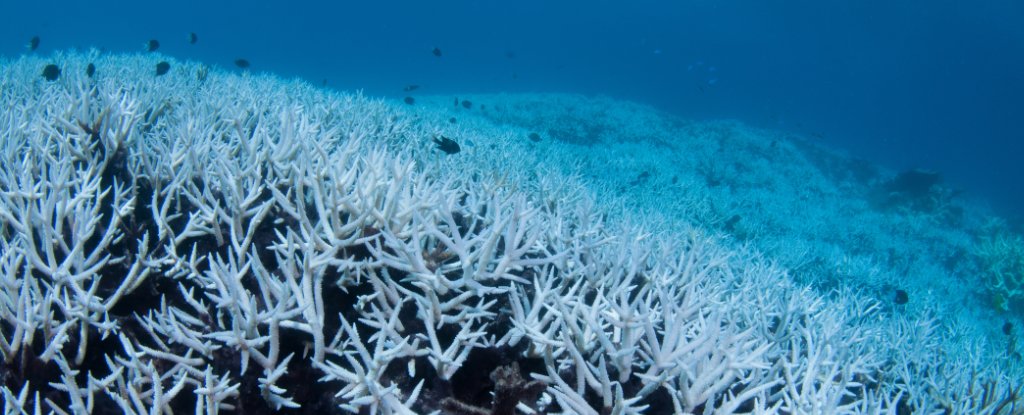


Coral Mortality at Unprecedented Levels
Marine scientists are sounding the alarm after parts of the Great Barrier Reef experienced unprecedented levels of coral death, following extreme heat events and powerful cyclones. Researchers say their “worst fears” have been confirmed as areas near Cooktown and Lizard Island have seen a staggering loss of more than a third of their live hard coral. This mass coral die-off marks one of the most severe bleaching events to ever affect the iconic reef.
‘Graveyard of Corals’ Found in Northern Reef
A troubling discovery by marine biologists has revealed what they are calling the “graveyard of corals” along the northern section of the Great Barrier Reef. Extreme water temperatures and cyclonic storms have left large swathes of coral decimated, with scientists noting that the affected region shows signs of severe bleaching, a condition in which stressed corals expel the algae living within them, leading to their eventual death.
The region around Cooktown and Lizard Island, typically a vibrant and thriving area of the reef, has become a stark reminder of the catastrophic effects of climate change on the delicate marine ecosystem. These events are considered some of the most devastating in recent history for the Great Barrier Reef.
Cyclones and Heatwaves Push Reef to the Brink
The coral mortality is being attributed to a combination of rising ocean temperatures from prolonged heatwaves and the destructive impacts of cyclones that have battered the reef over the past year. Coral reefs, particularly those like the Great Barrier Reef, are incredibly sensitive to temperature fluctuations, with even slight increases in water temperature leading to widespread bleaching and death.
Bleaching Events Accelerating Due to Climate Change
Scientists have noted that these devastating events are becoming increasingly frequent due to the effects of climate change. The frequency and intensity of coral bleaching events have escalated in recent decades, and many marine researchers fear that these recent mass die-offs could be irreversible. The Great Barrier Reef, one of the most biodiverse ecosystems on Earth, has already lost significant portions of its coral cover in recent years, further threatening marine life that depends on the reef for habitat and food.
Impact on Marine Life and Local Communities
The loss of coral is not only an ecological crisis but also has profound effects on the local communities and industries that rely on the reef, including fishing and tourism. As the coral reefs continue to degrade, the marine biodiversity they support faces a heightened risk of collapse, impacting the delicate balance of marine ecosystems.
The Urgent Call for Action
Experts continue to call for immediate action to address the root causes of the coral crisis, particularly the reduction of greenhouse gas emissions that contribute to global warming and ocean acidification. Without concerted global efforts to combat climate change, scientists warn that the Great Barrier Reef may not survive the ongoing pressures of warming oceans and extreme weather events. The findings of this recent coral mortality study highlight the urgent need for action to protect one of the world’s most precious natural wonders.