
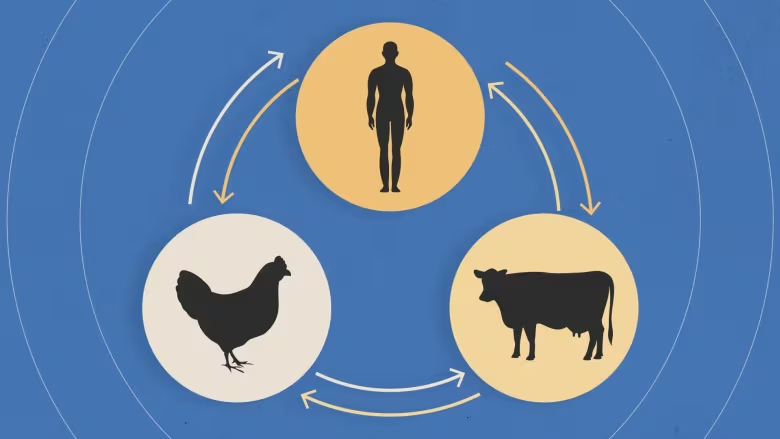


Health officials are sounding alarms as avian influenza, particularly the H5N1 strain, continues to spread across the United States, with recent human infections reported in California and Oregon. The outbreak has sparked international concern, with experts warning of the potential for a larger pandemic if the virus continues to evolve and spread.
Recent Human Cases of H5N1
The Centers for Disease Control and Prevention (CDC) confirmed that five more individuals in California have been infected with the H5N1 avian influenza strain, bringing the total number of human cases in the U.S. to 10 this year. Oregon also reported its first human infection, marking a disturbing trend of increasing cases. While human infections remain rare, the virus has been particularly deadly for poultry, leading to massive culling of infected birds.
Experts Weigh in on the Potential for a Pandemic
The H5N1 virus has been circulating in birds for years, but the recent uptick in human cases has raised concerns that it could mutate into a strain capable of efficient human-to-human transmission. Experts are closely monitoring the situation, with many suggesting that, if this mutation occurs, it could lead to widespread illness and potentially a global health crisis.
“If the virus adapts and becomes more transmissible among humans, we could be looking at the early stages of a pandemic,” said Dr. Robert W. Kelly, an epidemiologist at the CDC. “However, the virus has not yet demonstrated the ability to spread easily among people, and public health measures are being implemented to control any further spread.”
Symptoms and Prevention
Symptoms of H5N1 infection in humans typically include fever, cough, and muscle aches, similar to other flu-like illnesses. Severe cases can lead to respiratory failure, and the virus has been known to cause fatalities in people with direct contact with infected birds.
Health officials are advising the public to avoid contact with sick or dead birds, particularly in areas where avian influenza has been reported. People working in poultry industries are being urged to wear protective gear and take preventive measures.
Concerns About a Future Lockdown
While the situation remains under control for now, some are speculating about the possibility of widespread lockdowns should the virus mutate. Several health experts have noted that the world is now more prepared than during the initial stages of the COVID-19 pandemic, with surveillance systems and rapid response teams in place. However, the potential for severe disruption remains a possibility if the virus spreads uncontrollably.
Global Watch
The international community is keeping a close eye on the U.S. outbreak, as the country is a significant poultry producer and an early warning system for potential global threats. As of now, there is no indication that the virus has spread beyond U.S. borders, but health organizations like the World Health Organization (WHO) are monitoring the situation.
While the likelihood of a full-scale pandemic remains uncertain, the rise in human cases serves as a stark reminder of the unpredictability of zoonotic diseases. Public health officials continue to stress the importance of early detection, swift containment measures, and ongoing research to understand the evolving threat of avian influenza.