
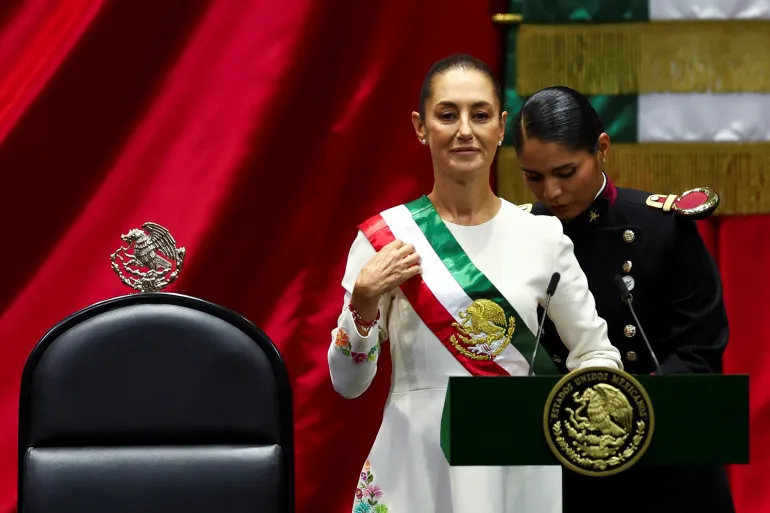


Claudia Sheinbaum’s historic rise as Mexico’s first woman president, following her decisive win in the 2024 elections, symbolizes progress in gender equality. Garnering over 58% of the vote, her victory reflects the strides made by gender parity reforms implemented over the past decades. However, this landmark achievement coincides with an ongoing and dire crisis: on average, ten women and girls are murdered daily in Mexico, underscoring the country’s struggle with pervasive gender-based violence.
Sheinbaum, representing the ruling MORENA party, assumes office in a nation where misogyny continues to permeate societal norms despite legislative efforts to combat femicide and other forms of gender violence. High-profile legal reforms, including the 2007 General Law for Women’s Access to a Life Free of Violence and the 2012 classification of femicide as a federal crime, have been insufficient in reducing gender violence or addressing the systemic impunity surrounding these crimes.
The roots of this crisis trace back decades, with Ciudad Juárez becoming a grim emblem of femicide in the 1990s. Reports from Amnesty International and the Inter-American Court of Human Rights highlighted systemic failures in addressing these murders. Despite the passage of laws and international condemnation, violence against women persists, fueled by a combination of militarization, corruption, and ingrained societal biases.
Sheinbaum’s presidency presents an opportunity to address these systemic issues. Feminist movements, which have gained momentum in recent years, demand tangible action from the new administration. Activists point to several priorities, including improving investigative processes for femicide cases, expanding reproductive rights, and reintroducing state-sponsored childcare for single and working mothers—services cut during the previous administration’s austerity measures.
Mexico’s Supreme Court decriminalized abortion nationwide in 2023, following years of advocacy by feminist groups. However, access to abortion services and contraceptives remains uneven across the country. Experts argue that Sheinbaum must ensure these rights are universally accessible, emphasizing that reproductive autonomy is crucial for women’s equality and independence.
The president’s track record on feminist issues offers a mixed picture. While Sheinbaum has championed progressive policies, critics point to instances, such as her response to feminist protests in Mexico City during her mayoral tenure, where police intervention drew backlash. Maintaining trust among feminist groups will require a consistent commitment to addressing their concerns.
Economic and social reforms are also integral to tackling gender violence. Women’s access to education, employment, and political representation must be bolstered alongside stricter enforcement of laws against gender-based violence. The Inter-American Court’s recommendations stress the need for accountability among law enforcement and judicial authorities to combat the culture of impunity surrounding femicide.
Sheinbaum’s presidency arrives at a pivotal moment for Mexico. Balancing the promise of transformative leadership with the immediate need to protect women’s rights will define her legacy. By prioritizing policies that integrate human rights into governance and addressing the systemic failures that enable femicide, she can begin to reconcile the paradox of her historic election with the stark realities faced by millions of Mexican women.