
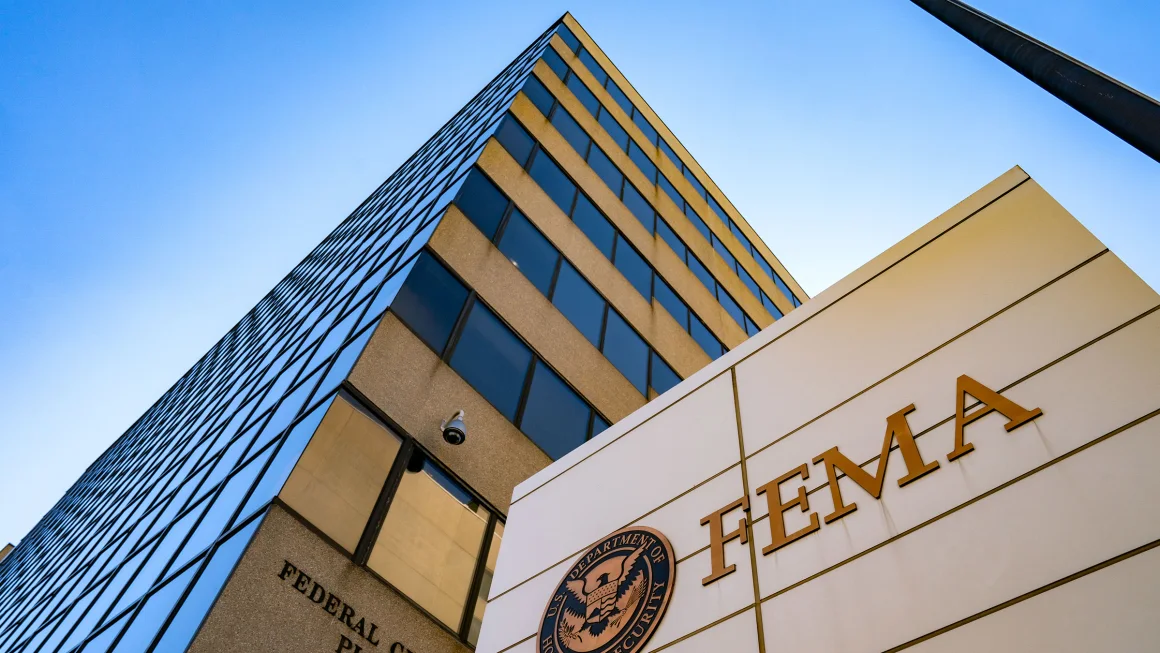


In a recent controversy that has ignited debate over the impartiality of government aid programs, a FEMA employee was terminated after instructing a relief team to avoid homes displaying signs in support of former President Donald Trump. The incident reportedly took place amid ongoing relief efforts in Florida following the recent hurricane, raising concerns about the ethical and professional standards expected from employees in emergency services.
According to eyewitnesses, the employee allegedly told the relief team to bypass households that exhibited visible Trump signs or memorabilia, arguing that residents of these homes may not be as welcoming to FEMA’s services or resources. The instruction created immediate discomfort among team members and led some to question whether such guidance was in line with FEMA’s operational mandate. Following reports from several team members, FEMA quickly conducted an investigation, resulting in the employee’s dismissal.
FEMA, the Federal Emergency Management Agency, is responsible for providing critical support to individuals and communities affected by natural disasters across the United States. The agency adheres to strict principles of impartiality, ensuring that relief services are delivered based on need alone, regardless of residents’ political affiliations, beliefs, or affiliations. In response to the incident, FEMA officials issued a statement emphasizing their dedication to providing fair, unbiased assistance.
“FEMA’s mission is to help all Americans in times of crisis. We hold our employees to high standards of conduct and impartiality,” the statement read. “Any behavior that contradicts these values will not be tolerated.” The agency underscored its commitment to addressing issues swiftly to maintain the public’s trust, especially in moments when communities are vulnerable and dependent on timely aid.
This incident has fueled discussions surrounding the ethical obligations of government employees, particularly those working in emergency services. Politically charged remarks from government employees are rare but can severely affect public confidence in the impartiality of federally managed relief efforts. Many feel that, regardless of personal views, emergency workers have a responsibility to provide equal support across political divides. Critics argue that episodes like these threaten the integrity of government institutions, potentially deterring individuals from seeking help due to concerns about unequal treatment.
Public response has been mixed, with some condemning the employee’s actions as discriminatory, while others speculate that political tensions may occasionally influence the conduct of government personnel. Political bias, even if isolated, raises broader questions about how public service agencies ensure adherence to impartiality across various situations, particularly in politically polarized environments.
The incident also underscores the importance of employee training and accountability measures within agencies like FEMA. In a follow-up announcement, FEMA highlighted plans to reinforce their training protocols to prevent future issues and ensure all team members understand the standards expected in relief operations. The agency is expected to implement additional checks to reassure the public of its commitment to equitable and unbiased relief.
This case serves as a reminder of the critical role that trust plays in the relationship between government agencies and the communities they serve. FEMA’s rapid response in terminating the employee has been viewed by some as a necessary measure to preserve the organization’s integrity, particularly as it continues to respond to communities affected by recent natural disasters.