
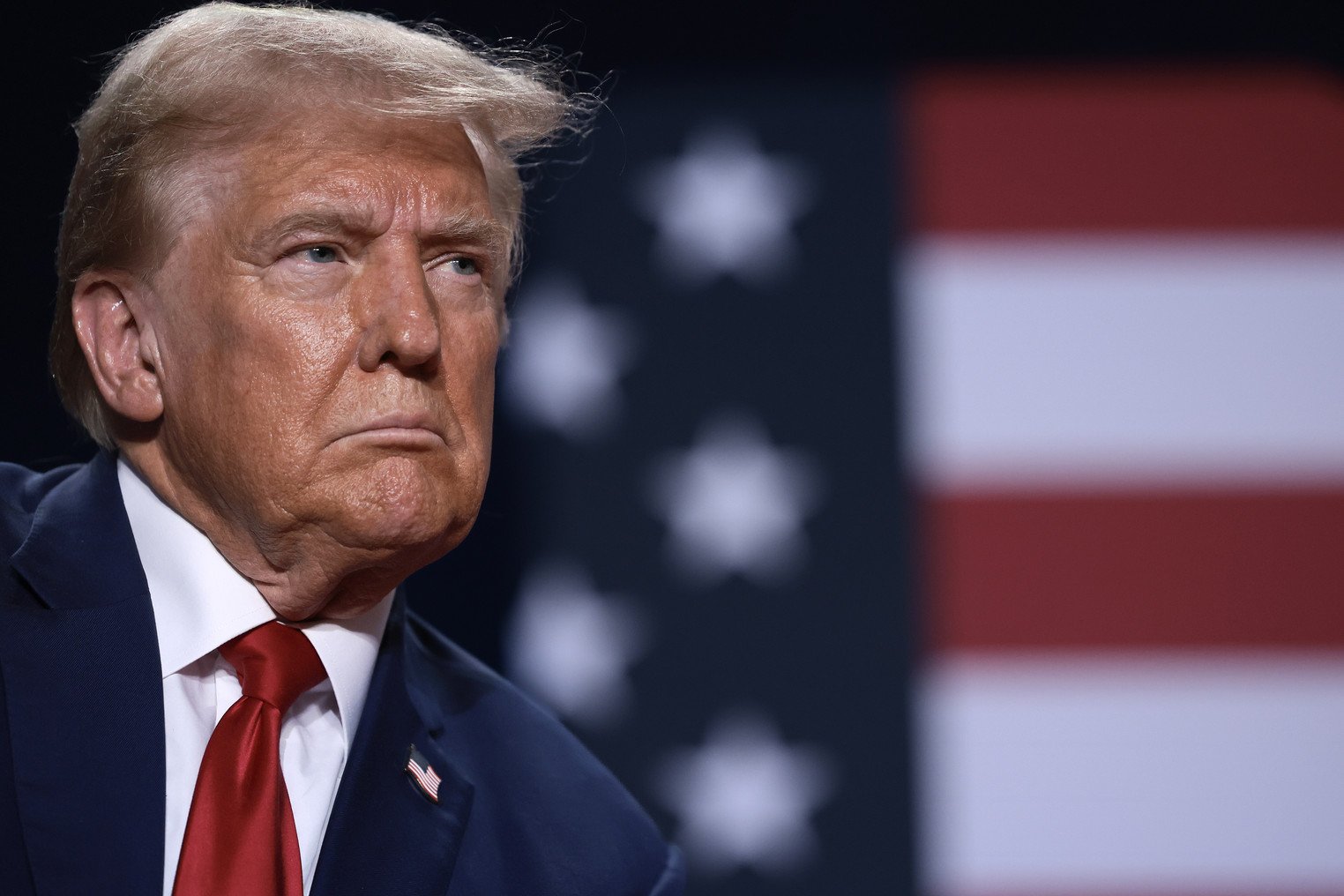


As President-elect Donald Trump prepares to take office, one of his key campaign promises is raising alarm in the health care sector: the enactment of across-the-board tariffs. While tariffs are often associated with trade and manufacturing, the proposed tariffs are already sending shockwaves through hospitals, pharmaceutical companies, and health care advocates, who fear they could have far-reaching consequences for the industry.
Tariffs and Their Potential Impact
Trump’s stance on tariffs is no secret. He has proposed imposing significant tariffs on foreign goods, particularly targeting imports from countries like China and Mexico, in an effort to bring manufacturing jobs back to the United States and reduce trade deficits. However, the impact of these tariffs could extend well beyond the manufacturing sector, potentially causing a ripple effect on health care.
In the health care sector, many essential products, including medical devices, prescription drugs, and hospital supplies, are imported. Hospitals and health care providers rely on the affordability and availability of these imported goods to keep costs down and deliver quality care to their patients. Tariffs on these products could result in price hikes, making it more difficult for hospitals to maintain their operations and for consumers to afford necessary care.
Concerns Over Rising Costs
One of the primary concerns regarding Trump’s tariff proposal is the potential for rising health care costs. According to health care experts, tariffs on medical devices and pharmaceuticals could significantly increase the price of these essential goods. Hospitals, especially those in underserved or rural areas, are already facing financial difficulties, and the added expense of higher tariffs could force some to reduce services, cut staff, or pass the increased costs onto consumers.
Pharmaceutical companies, which rely heavily on international suppliers for the raw materials needed to manufacture prescription drugs, could also face higher costs. This could lead to price hikes for medications, which would have a direct impact on patients, especially those who rely on life-saving drugs for chronic conditions.
A study by the Kaiser Family Foundation indicates that the costs of prescription drugs have already risen dramatically in recent years, and any further price increases could be devastating for individuals and families who struggle to afford necessary medications. For some, these increases could mean having to forgo essential treatments, further exacerbating existing health disparities.
The Health Care Industry Responds
The health care industry is speaking out against the potential economic fallout from the proposed tariffs. Hospitals and health care providers are voicing concerns that the tariffs could not only harm their bottom line but could also lead to worse outcomes for patients.
David Lim, a reporter for POLITICO, has followed the situation closely and noted that health care stakeholders are particularly worried about the potential for a rise in hospital costs and medication prices. “Many health care leaders are now questioning whether the tariffs will create more harm than good,” said Lim, highlighting the industry’s growing unease.
Meanwhile, health care lobbyists are working to convince lawmakers and the incoming administration to reconsider the blanket tariffs. Their argument is that health care should be treated as a separate issue from broader trade concerns, given its importance to public well-being.
The Path Forward
As President-elect Trump prepares to take office, the health care industry is left with questions about the future. If tariffs are implemented, how will they affect the availability and cost of medical goods? Will they lead to increased health care costs for consumers? These are questions that remain largely unanswered, and as the nation transitions to a new administration, the health care sector is bracing for the potential economic shifts that could reshape the landscape of American health care.
For now, health care providers, patients, and industry leaders continue to monitor the situation closely, hoping for a resolution that will allow the sector to continue providing essential services without the added financial burden of higher tariffs.