
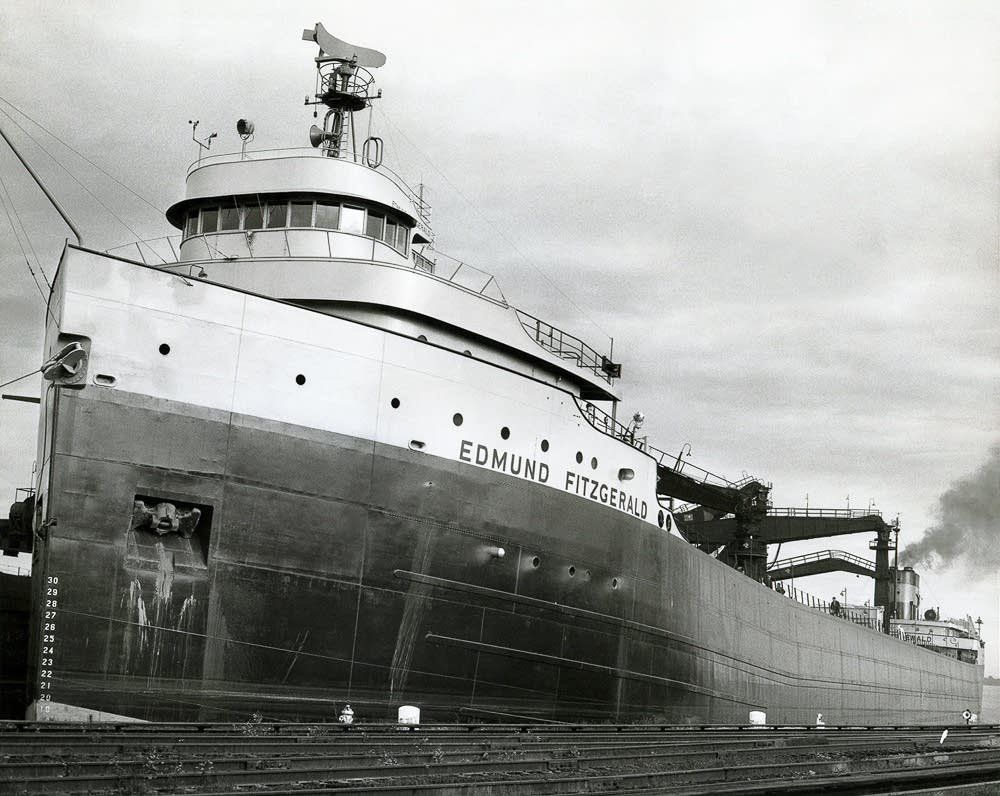


The story of the Edmund Fitzgerald, a legendary Great Lakes freighter, has been immortalized in countless ways over the years, from Gordon Lightfoot’s iconic ballad to documentaries recounting its tragic fate. Now, in an innovative new format, the ill-fated ship’s final voyage is being brought to life in a gripping radio play that offers a fresh perspective on one of the most harrowing maritime disasters in American history.
The Tragedy of the Edmund Fitzgerald
On November 10, 1975, the Edmund Fitzgerald, a 729-foot-long freighter, sank during a fierce storm on Lake Superior, taking the lives of all 29 crew members aboard. The ship, which was transporting iron ore from Superior, Wisconsin to Detroit, Michigan, was caught in one of the most violent storms ever recorded on the Great Lakes. The ship’s sudden sinking, with no survivors and little warning, left a lasting impact on both the maritime industry and the public imagination.
The tragedy became the subject of one of the most well-known folk songs of the 20th century, Gordon Lightfoot’s The Wreck of the Edmund Fitzgerald, which encapsulates the loss and mystery surrounding the incident. However, the story of the Edmund Fitzgerald goes beyond its cultural representations, and this new radio play seeks to delve deeper into the events leading up to the ship’s fateful end.
A New Radio Play: Bringing the Story to Life
The radio play, titled The Final Voyage of the Edmund Fitzgerald, captures the final moments of the freighter’s ill-fated journey and offers a dramatic retelling of the events through the voices of those who lived it. The production blends historical facts with a fictionalized narrative, giving listeners a chance to experience the storm and its devastating aftermath from a personal and emotional perspective.
The play, which debuted on November 10, 2024, marks the 49th anniversary of the Edmund Fitzgerald’s sinking, and it is being broadcast on various public radio stations across the U.S. The production aims to honor the lives lost that fateful night while educating audiences about the perilous conditions faced by mariners on the Great Lakes.
The play’s creators have worked closely with maritime experts and historians to ensure the accuracy of the events and the details of the ship’s final journey. Using sound effects, dramatic narration, and period-authentic dialogue, the radio play recreates the tension, fear, and uncertainty experienced by the crew of the Edmund Fitzgerald as they battled the relentless storm.
The Impact of the Radio Play
Radio plays, while once a staple of entertainment, have experienced a resurgence in recent years, offering a nostalgic yet powerful way to tell stories. This new production is no exception, and the use of audio to convey the chilling atmosphere of the storm has been praised by critics for its ability to immerse the listener in the terrifying events of that night.
For many, the Edmund Fitzgerald represents more than just a tragic maritime accident. It has become a symbol of the dangers of navigating the Great Lakes and the sacrifices made by those who work on the waters. By bringing the story to life in this unique format, the radio play provides a new generation with the opportunity to reflect on the legacy of the Edmund Fitzgerald and the lives lost in one of the most unforgettable maritime tragedies in U.S. history.
A Tribute to the Lost Crew
The radio play also serves as a poignant reminder of the crew members who perished that night. While the ship’s sinking has become a part of popular culture, the personal stories of those aboard often remain in the shadows. The production pays tribute to the 29 men who were lost, offering a humanized portrayal of their final moments, their struggles against the storm, and their enduring legacy.
As listeners tune in to the broadcast of The Final Voyage of the Edmund Fitzgerald, they are invited to remember the ship and its crew, not just as a tragic story from history, but as a reminder of the courage and resilience of those who risk their lives on the water every day.