
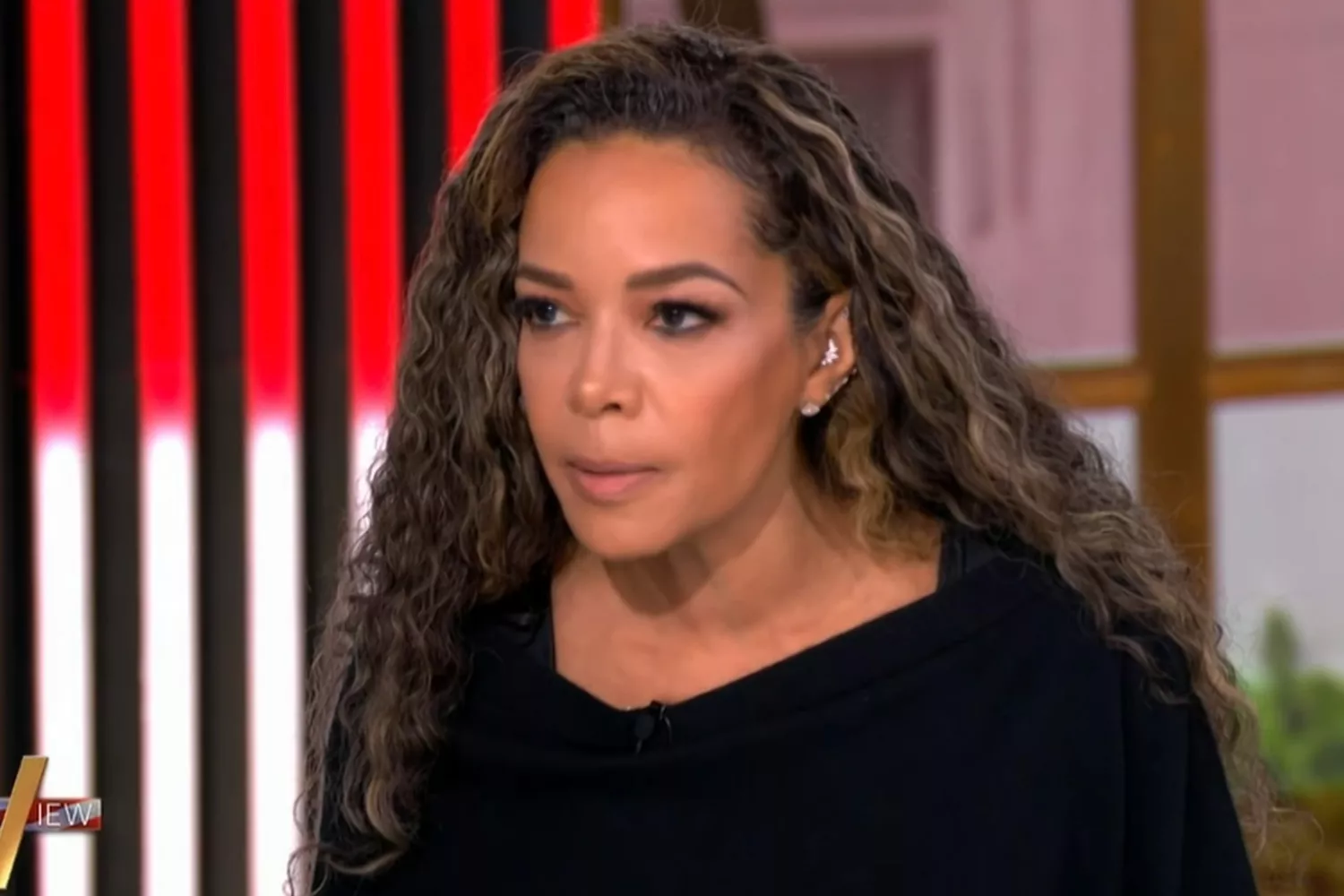


Following the outcome of the 2024 presidential election, “The View” co-host Sunny Hostin expressed concern over the win by President-elect Donald Trump, stating that it raises questions about fairness in employment practices. Hostin advocated for the removal of felony checks from job applications, arguing that if someone with a criminal record can be elected to the nation’s highest office, then similar barriers should be removed in other areas of employment.
A Call for Change in Employment Practices
Hostin, known for her outspoken views on social justice issues, voiced her thoughts during a recent episode of the talk show, sharing that the election results had left her “profoundly disturbed.” She noted that Trump’s re-election amid controversies surrounding legal battles and criminal allegations highlights a double standard in society. “If you can be the president of the United States with a criminal history, I don’t see why someone should be denied a chance at a job because of a prior conviction,” Hostin remarked.
Citing numerous instances where former felons face barriers to re-entering the workforce, Hostin pointed out that many individuals who have served their time struggle to find employment due to mandatory felony disclosures on job applications. “It’s fundamentally unfair that people who’ve paid their dues are still penalized, especially when they’re trying to rebuild their lives,” she said.
Examining the Impact of Felony Checks on Job Opportunities
Employment advocates have long argued that felony checks on applications perpetuate a cycle of marginalization, limiting opportunities for individuals with a criminal history. Hostin’s comments have sparked a renewed discussion on the issue, particularly around policies that restrict job access and hinder social reintegration. Supporters of Hostin’s view argue that removing these checks could open doors for those who have been unfairly blocked from employment due to past mistakes.
Opponents, however, contend that felony checks are crucial for workplace safety and transparency. They argue that certain jobs, particularly those in fields like education, healthcare, and finance, require careful scrutiny of applicants to protect the well-being of others.
A Broader Conversation on Criminal Justice Reform
Hostin’s remarks align with ongoing calls for criminal justice reform, an issue that has gained traction in recent years as advocates push for policy changes to reduce recidivism and promote equitable treatment. She suggested that Trump’s election serves as a stark example of the inconsistency in society’s view on criminality, as he ascends to a position of power while many others with records are denied even basic job opportunities.
“There’s a lot we need to address as a society when it comes to criminal justice,” Hostin said, emphasizing the need for reforms that allow individuals with criminal records to move forward without facing lifelong discrimination. She has frequently spoken out about the systemic challenges that disproportionately impact marginalized communities, noting that felony checks are one of many policies that create barriers for people trying to build stable, productive lives.
Public Reactions and Broader Implications
Hostin’s statements have sparked mixed reactions, with some applauding her stance as a step toward greater inclusivity, while others argue that felony checks are necessary for specific types of employment. Social media has seen a surge in discussions on the topic, as users debate the implications of Hostin’s proposal and share personal experiences with felony checks in employment.
As the nation reflects on the election results, Hostin’s call to eliminate felony checks on job applications contributes to the broader conversation around fairness, justice, and opportunity. Her stance highlights the need for ongoing dialogue on how society treats former offenders and whether reforms in employment practices can contribute to more equitable treatment across the board.