
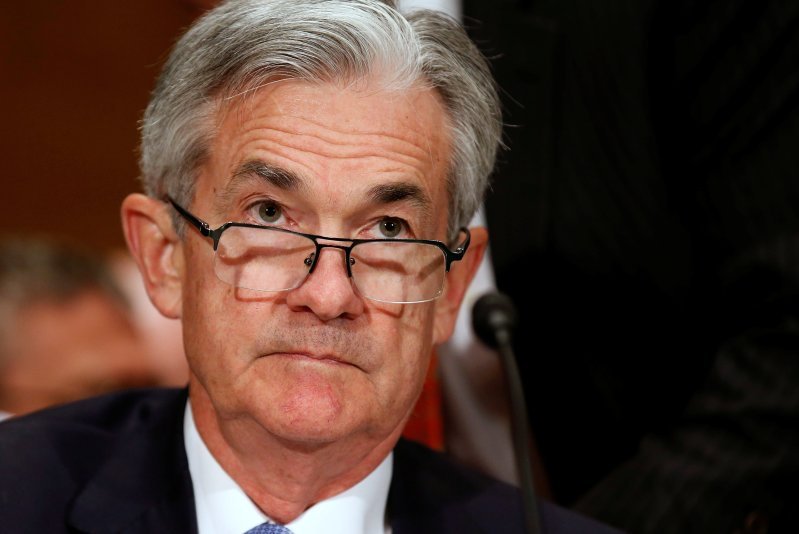


The Federal Reserve is poised to cut interest rates for the first time in four years, a decision that could have far-reaching implications for the U.S. economy. The move comes in response to mounting concerns about slowing economic growth, inflationary pressures, and the potential impact of global financial uncertainty. This rate reduction is expected to be a key component of the Fed’s broader strategy to support economic stability and sustain the longest expansion in U.S. history.
Why the Fed is Cutting Rates
For much of the last decade, the Federal Reserve has maintained relatively low interest rates, which spurred economic growth following the 2008 financial crisis. However, as the economy began to recover, the Fed steadily increased rates to guard against overheating and inflation. This is the first time in four years that the central bank has considered a rate cut, signaling a shift from a focus on inflation control to ensuring continued economic growth.
Several factors have contributed to the Fed’s decision. First, there is growing evidence of a slowdown in manufacturing and business investment, driven partly by trade tensions with China and other global uncertainties. While consumer spending has remained relatively strong, risks to the broader economy have increased, prompting the central bank to act preemptively to ensure stability.
Second, inflation has remained persistently low, below the Fed’s target of 2%. By cutting rates, the Fed aims to stimulate more spending and investment, which could help boost inflation to the desired level. Low inflation can be problematic for the economy because it may signal weak demand, causing businesses to reduce production, which in turn leads to slower economic growth.
Impact on Consumers and Businesses
The anticipated rate cut is expected to have a ripple effect across the economy, benefiting both consumers and businesses. For consumers, lower interest rates typically translate into cheaper borrowing costs. This means that loans for homes, cars, and credit cards could become more affordable, potentially spurring a rise in spending.
Mortgage rates, which have already been hovering near historic lows, could see further reductions, giving prospective homebuyers an opportunity to lock in lower payments. For homeowners, refinancing existing mortgages might become more attractive, potentially freeing up extra cash for other expenditures.
Businesses are also likely to benefit from cheaper borrowing costs, which could encourage companies to take on new investments, expand operations, or hire more workers. The rate cut could also provide some relief to corporations that have accumulated significant debt over the past few years, reducing their debt-servicing costs.
However, the effects of a rate cut are not entirely without risks. Some economists warn that cutting rates when the economy is still growing could encourage too much risk-taking, leading to bubbles in the stock market or housing sectors. Additionally, if the Fed cuts rates too aggressively, it may limit its ability to respond to future economic shocks, leaving fewer tools to address a potential recession down the line.
Market Reaction and Global Context
The markets have been anticipating this rate cut for several months, with stock indices generally responding positively to the news. Investors expect that the rate cut will provide additional fuel for the ongoing bull market, which has seen record highs in 2024. However, global uncertainties, particularly ongoing trade negotiations and geopolitical tensions, continue to weigh on investor sentiment.
The Fed’s decision will also have implications beyond U.S. borders. Lower U.S. interest rates could weaken the dollar, making U.S. exports more competitive abroad, but potentially contributing to volatility in emerging markets as global capital flows adjust.
The Federal Reserve’s upcoming decision to cut interest rates reflects its commitment to preserving economic growth in a challenging global environment. While the exact size of the rate cut is still under discussion, analysts expect a reduction of 25 to 50 basis points. Fed Chair Jerome Powell has indicated that future cuts will depend on evolving economic conditions, including inflation, labor market performance, and global trade developments.
As the Fed navigates these challenges, businesses and consumers will closely watch how this rate cut impacts their financial outlooks in the months ahead.