
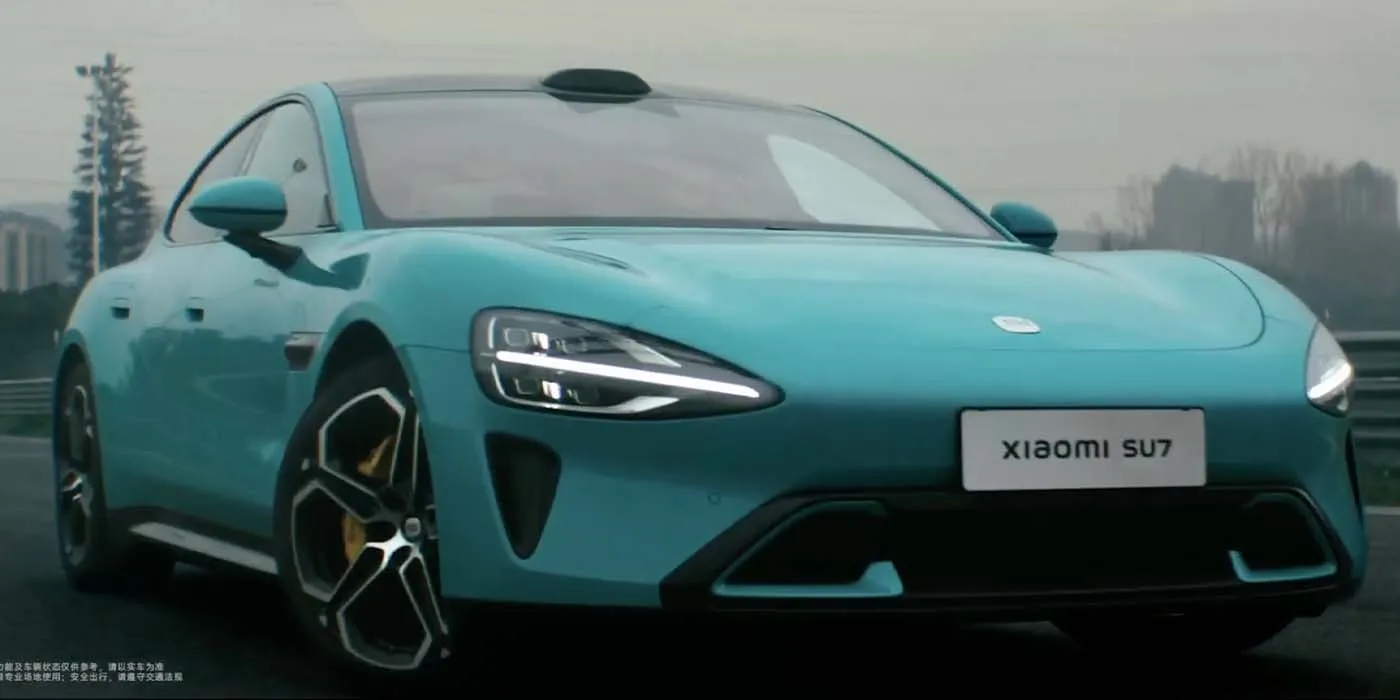


Xiaomi is accelerating its push into the electric vehicle (EV) market, aiming to build a global presence with its debut model, the SU7. The Chinese tech giant is ramping up production capabilities, driven by the early success of the SU7 sedan, which has outpaced sales targets. Originally setting a goal of producing 100,000 units by November, Xiaomi hit that milestone ahead of schedule in October and has now raised its target to deliver 120,000 units by the end of 2024.
To support this momentum, Xiaomi is expanding its EV manufacturing capabilities with a major factory expansion. The second phase of its Xiaomi Intelligent Manufacturing Industrial Base in Beijing’s Yizhuang New Town is expected to be completed by June 15, 2025, according to a report from the Chinese government-backed National Business Daily. Workers have been working overtime to ensure the timely completion of the project, which will enable Xiaomi to significantly boost production.
Once fully operational, the factory is set to reach a capacity of producing 300,000 vehicles annually. The manufacturing site also houses the headquarters of Xiaomi’s automotive unit, as well as its sales and research centers. Located in a high-tech area outside Beijing, the factory is close to other major Chinese tech companies like JD.com and Baidu, making it a strategic hub for Xiaomi’s EV ambitions.
Xiaomi’s first vehicle, the SU7, was officially launched in March 2024, with three versions available: Standard, Pro, and Max, starting at $30,761. A high-performance Ultra variant has also been introduced. Competing directly with the Tesla Model 3, the SU7 quickly gained traction, selling 70,000 units by the end of September. Despite facing competition from Chinese rivals like BYD, Xiaomi’s strong brand appeal and integrated technology with its existing devices have contributed to the SU7’s popularity.
The company has made significant investments in autonomous driving technology, giving it an edge over other EV makers. The SU7 is equipped with software that allows it to sync seamlessly with Xiaomi’s ecosystem of products, offering users a connected car experience. This technological advantage, combined with Xiaomi’s competitive pricing, has helped the company attract consumers in China’s growing EV market.
Despite the initial success, analysts have pointed out that Xiaomi is expected to face financial challenges, estimating a loss of about $10,000 per vehicle sold. However, Xiaomi’s solid financial position, with a cash reserve of $15 billion, positions the company to absorb these early losses as it continues to build its EV brand. The company’s long-term strategy includes a planned investment of $10 billion over the next decade to further expand its presence in the EV market.
In addition to its manufacturing expansion, Xiaomi is increasing its retail and service footprint. By the end of 2024, the company aims to have 22 sales stores, 135 service centers, and 53 delivery hubs across 59 cities, providing greater access and support to its growing customer base.
As Xiaomi continues to build momentum with the SU7 and prepares for future growth with its expanded factory, the company is positioning itself as a formidable player in the global EV market. With a strategic focus on technology and a commitment to scaling up production, Xiaomi is aiming to establish a strong foothold beyond China’s borders in the coming years.