
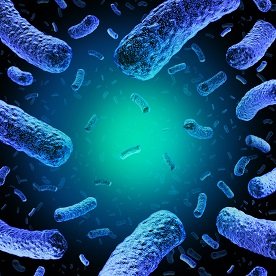


Listeria monocytogenes, commonly known as listeria, is a bacterium that poses a significant health risk when it contaminates food. Unlike many other bacteria, listeria can survive and even grow at low temperatures, making it especially problematic for refrigerated and frozen foods. This ability to thrive in cold environments means that listeria can be present in various types of ready-to-eat items such as deli meats, cheeses, and other processed foods.
What Is Listeria?
Listeria monocytogenes is a pathogenic bacterium that can cause listeriosis, a serious infection with potentially severe health outcomes. The infection is relatively rare but particularly dangerous for certain high-risk groups. These include pregnant women, newborns, the elderly, and individuals with weakened immune systems, such as those undergoing chemotherapy or living with chronic conditions like diabetes or HIV/AIDS.
The symptoms of listeriosis can vary depending on the individual’s health status and the severity of the infection. Early symptoms include fever, muscle aches, and gastrointestinal distress like nausea and diarrhea. However, the bacteria can spread beyond the digestive system, potentially leading to severe complications such as meningitis (inflammation of the membranes surrounding the brain and spinal cord) or septicemia (blood infection). Pregnant women infected with listeria may experience flu-like symptoms, but the infection can have dire consequences for the fetus, leading to miscarriage, stillbirth, or preterm birth.
How Does Listeria Contaminate Food?
Listeria contamination typically occurs during food processing or handling. The bacterium can be found in soil, water, and animal waste, making it a risk for a variety of agricultural products. It can contaminate raw ingredients used in food production, such as vegetables and dairy products, before being introduced into the manufacturing process. In addition, listeria can persist in food processing facilities, hiding in areas that are difficult to clean, such as equipment crevices, drainage systems, and cooling units.
Unlike many other foodborne pathogens, listeria can continue to multiply even under refrigeration. This unique characteristic means that contaminated food can become more hazardous over time, even if it is stored properly. Cooking foods to an internal temperature of at least 165°F (74°C) can kill the bacterium, but ready-to-eat foods that do not require further cooking are particularly susceptible to contamination.
Symptoms and Onset of Listeriosis
The symptoms of listeriosis can develop from a few days to as long as 70 days after consuming contaminated food, making it challenging to pinpoint the source of infection. In healthy individuals, symptoms may be mild and similar to a stomach flu, but in vulnerable populations, the infection can rapidly progress to severe conditions such as meningitis.
For pregnant women, listeriosis is especially concerning due to its potential impact on the developing fetus. Even if the mother only experiences mild symptoms, the infection can cause serious complications for the baby, including life-threatening infections or developmental issues after birth.
Preventing Listeria Infections
To minimize the risk of listeria infection, it is crucial to follow proper food safety practices. The Centers for Disease Control and Prevention (CDC) recommends that high-risk individuals avoid certain foods that are more prone to contamination, such as unpasteurized dairy products, raw sprouts, and deli meats unless they have been heated to a high temperature. Washing hands, utensils, and food preparation surfaces thoroughly after handling raw foods can also help reduce the risk.
Regularly cleaning refrigerators and ensuring that they are set to a temperature of 40°F (4°C) or lower is another key step in preventing the growth of listeria. Checking food recall notices from the FDA and other health agencies is important, as recalls can provide critical information on contaminated products.
Current Trends and Awareness
Listeria contamination has been the subject of several high-profile food recalls in recent years. Public awareness about the risks associated with listeria has grown, but the bacterium remains a challenging issue for food producers and consumers alike. As regulatory agencies like the FDA and CDC continue to work with food manufacturers to improve safety measures, they also emphasize the importance of consumer education in preventing outbreaks.
The impact of listeriosis outbreaks extends beyond the immediate health risks. Such incidents can lead to significant economic losses for food producers, legal repercussions, and damage to public trust. As a result, many manufacturers are increasingly adopting rigorous testing and sanitation measures to ensure their products remain safe.
In conclusion, while listeria is a rare cause of foodborne illness, its ability to thrive in cold environments and its severe impact on vulnerable populations make it a critical public health concern. Staying informed about food safety practices and paying attention to recall announcements are key steps in protecting oneself and loved ones from this potentially dangerous bacterium.