
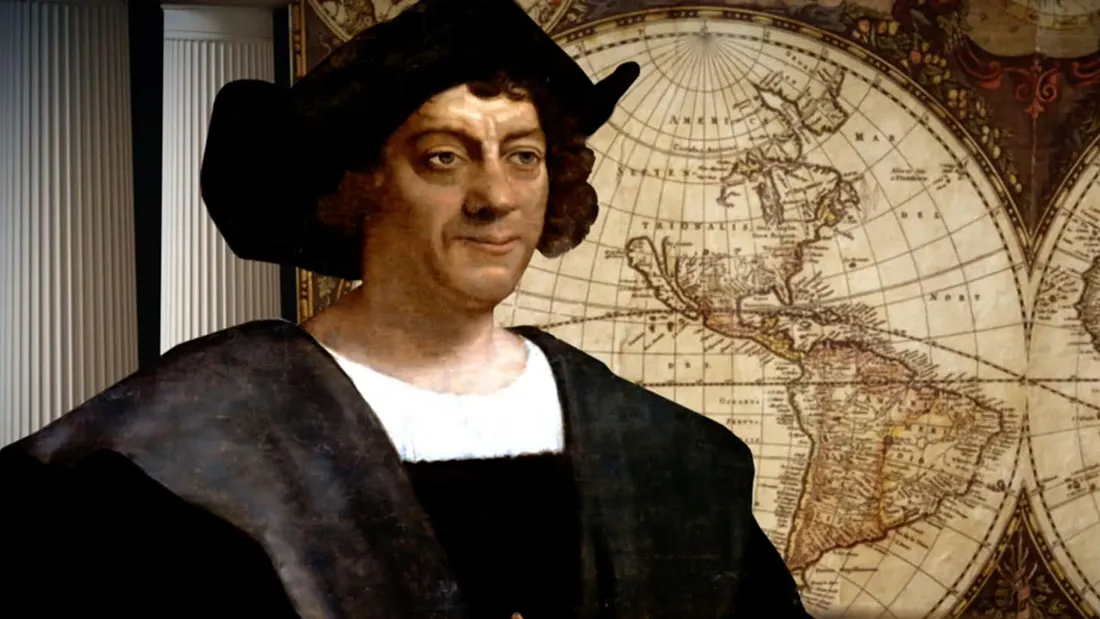


New DNA research has uncovered unexpected details about the origins of Christopher Columbus, the famed Italian explorer who made his historic voyage across the Atlantic in 1492. The study, which analyzed genetic material from remains believed to be connected to Columbus and his family, has sparked fresh discussions about the true identity and background of the man long celebrated as the discoverer of the Americas.
A Closer Look at Columbus’s Origins
For centuries, it has been widely accepted that Christopher Columbus was born in the Republic of Genoa, in present-day Italy. However, historical records about his early life have been sparse, leading to speculation about his background. The new DNA analysis, which was conducted by an international team of researchers, has introduced intriguing possibilities that challenge this long-held belief.
What the DNA Findings Suggest
The researchers analyzed genetic material from bones believed to belong to Columbus and his relatives, as well as DNA samples from regions historically tied to his ancestry. Their findings suggest a more complex genetic profile than previously thought, hinting at origins that extend beyond Genoa. While the study has not definitively pinpointed a new place of birth, it suggests that Columbus might have roots in areas of the Iberian Peninsula, including regions of Spain or Portugal.
This revelation has reignited debates among historians and scholars who have long questioned the precise origins of Columbus. Some have argued that he may have been of Jewish descent or a Catalan-speaking sailor from Spain, theories that could gain new traction in light of the DNA evidence.
The Implications for History
The new DNA findings offer more than just a historical curiosity; they could reshape our understanding of Columbus’s identity and motivations. If Columbus did indeed have origins in Spain or Portugal, it could alter interpretations of his relationships with the Spanish monarchy, as well as his knowledge of the seas and navigation. This could further affect the broader narrative of European exploration and the early interactions between Europe and the Americas.
What’s Next for the Research?
The research team has noted that further studies are needed to confirm their initial findings and to explore the full scope of Columbus’s genetic background. Future DNA analysis could include comparisons with other remains from the same period, as well as deeper investigations into the genetic lineage of Columbus’s known family members.
While the research may not provide all the answers immediately, it has certainly reignited interest in the mystery surrounding one of history’s most iconic explorers. As new details continue to emerge, the life story of Christopher Columbus may be far more complex and varied than history textbooks have previously suggested.