
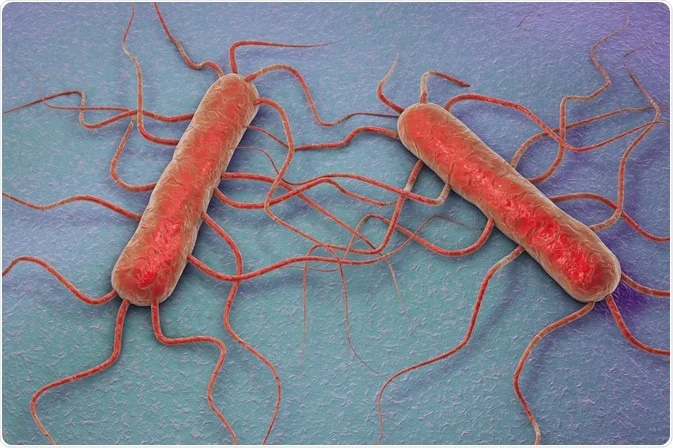


A deadly outbreak of listeria has sparked national concern, with health officials urging the public to take precautions as cases continue to rise across the country. The Centers for Disease Control and Prevention (CDC) confirmed multiple deaths linked to the bacteria, along with dozens of hospitalizations. The listeria outbreak has been traced to contaminated food products, though the source is still under investigation.
What Is Listeria?
Listeria is a type of bacteria that can cause severe foodborne illness, particularly in vulnerable populations like the elderly, pregnant women, newborns, and those with weakened immune systems. Symptoms of listeriosis, the infection caused by listeria, include fever, muscle aches, nausea, and diarrhea. In severe cases, the infection can spread to the nervous system, leading to confusion, convulsions, and even death.
Unlike many other foodborne bacteria, listeria can survive and grow in cold environments, such as refrigerators. This makes it particularly dangerous because it can contaminate a wide range of foods, including dairy products, deli meats, fruits, and vegetables, which are often stored in cold conditions.
The Scope of the Outbreak
The current listeria outbreak has affected multiple states, with at least six reported deaths and more than 50 people hospitalized as of the latest reports. Health officials have not yet pinpointed the exact food source responsible for the outbreak, but they are conducting extensive investigations into food production facilities, grocery stores, and restaurants that may have handled contaminated products.
The CDC has issued a nationwide advisory, urging consumers to exercise caution when purchasing and consuming certain foods. Until the source is confirmed, the agency recommends that individuals, especially those at higher risk, avoid certain high-risk foods like unpasteurized dairy products, deli meats, and pre-cut fruits and vegetables.
Who Is at Risk?
While listeria can infect anyone, the most severe cases tend to occur in people with weakened immune systems. Pregnant women are particularly vulnerable; listeriosis can lead to miscarriage, stillbirth, or life-threatening infections in newborns. Elderly individuals and people with chronic medical conditions, such as cancer or diabetes, are also at greater risk of developing severe complications from the infection.
Health officials are urging anyone who experiences symptoms of listeriosis, particularly after eating high-risk foods, to seek medical attention immediately. Early treatment with antibiotics can significantly reduce the risk of severe illness or death.
Preventative Measures
To reduce the risk of contracting listeria, the CDC has issued several safety guidelines:
- Wash fresh produce thoroughly before eating, even if it will be peeled.
- Avoid consuming unpasteurized dairy products, which can harbor listeria.
- Cook meat thoroughly, especially poultry and ground beef, to ensure harmful bacteria are killed.
- Store foods properly by keeping your refrigerator clean and at a temperature below 40°F (4°C).
- Separate raw and ready-to-eat foods to avoid cross-contamination in your kitchen.
What’s Next?
Investigations into the outbreak are ongoing, with federal, state, and local health agencies working to identify the source and prevent further cases. The Food and Drug Administration (FDA) is closely monitoring food production facilities and supply chains in an effort to contain the outbreak.
For now, health officials emphasize the importance of staying informed and practicing good food safety habits. As the situation develops, they urge the public to pay attention to food recalls and avoid risky products.
This outbreak serves as a reminder of the dangers of foodborne illnesses and the importance of proper food handling and hygiene practices. For more updates, stay tuned to your local health departments and news outlets.