
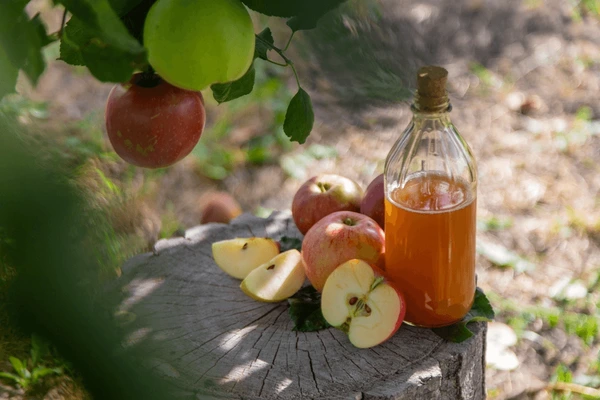


As the fall season brings cooler weather and festive traditions, many Americans turn to apple cider as a beloved seasonal drink. However, health officials are urging consumers to exercise caution when enjoying this autumn favorite, especially if it’s unpasteurized. Unpasteurized apple cider, often sold at farmers markets, roadside stands, and orchards, can pose serious health risks for certain groups, including children, older adults, pregnant women, and people with weakened immune systems.
Why the Concern?
Unpasteurized apple cider can harbor harmful bacteria like E. coli and Salmonella, which are typically eliminated through pasteurization — a heating process that kills pathogens. These bacteria can lead to severe foodborne illnesses, which are particularly dangerous for vulnerable individuals. Symptoms of infection can include abdominal cramps, diarrhea, vomiting, and fever. In extreme cases, complications like kidney failure can occur, making it crucial to choose pasteurized options whenever possible.
“While enjoying fresh, locally sourced apple cider is a cherished tradition, it’s important to be aware of the risks associated with unpasteurized products,” said Dr. Samantha Roberts, a food safety expert with the Centers for Disease Control and Prevention (CDC). “Even a small amount can cause serious health issues for those with compromised immune systems.”
Who Is at Risk?
While unpasteurized apple cider can pose a risk to anyone, certain groups are especially vulnerable:
- Young children: Their immune systems are still developing, making them less capable of fighting off infections.
- Older adults: Age-related changes in the immune system can increase susceptibility to severe illness.
- Pregnant women: Infections from harmful bacteria can not only harm the mother but also pose a risk to the unborn baby.
- Individuals with weakened immune systems: Those undergoing treatments like chemotherapy or living with chronic conditions are at a higher risk for complications from foodborne illnesses.
Tips to Stay Safe
To minimize the risks while still enjoying the seasonal treat, health experts recommend taking the following precautions:
- Check Labels: Look for pasteurized apple cider, which is usually marked clearly on the label. If the packaging doesn’t specify, it’s safer to assume it is unpasteurized.
- Ask Vendors: If you’re buying cider at a farmers market or orchard, ask the seller if the product has been pasteurized. Many local producers offer both options.
- Boil Before Drinking: If you already have unpasteurized cider, heat it to at least 160°F (71°C) before drinking to kill any harmful bacteria.
- Store Properly: Keep apple cider refrigerated at all times. Do not leave it at room temperature for extended periods, as this can increase bacterial growth.
Apple cider is a quintessential fall beverage, but understanding the difference between pasteurized and unpasteurized products is key to keeping you and your family safe. Health officials recommend sticking to pasteurized options, especially for children, the elderly, and those with compromised immune systems. With a few safety precautions, you can still enjoy the taste of autumn without the added risk.