
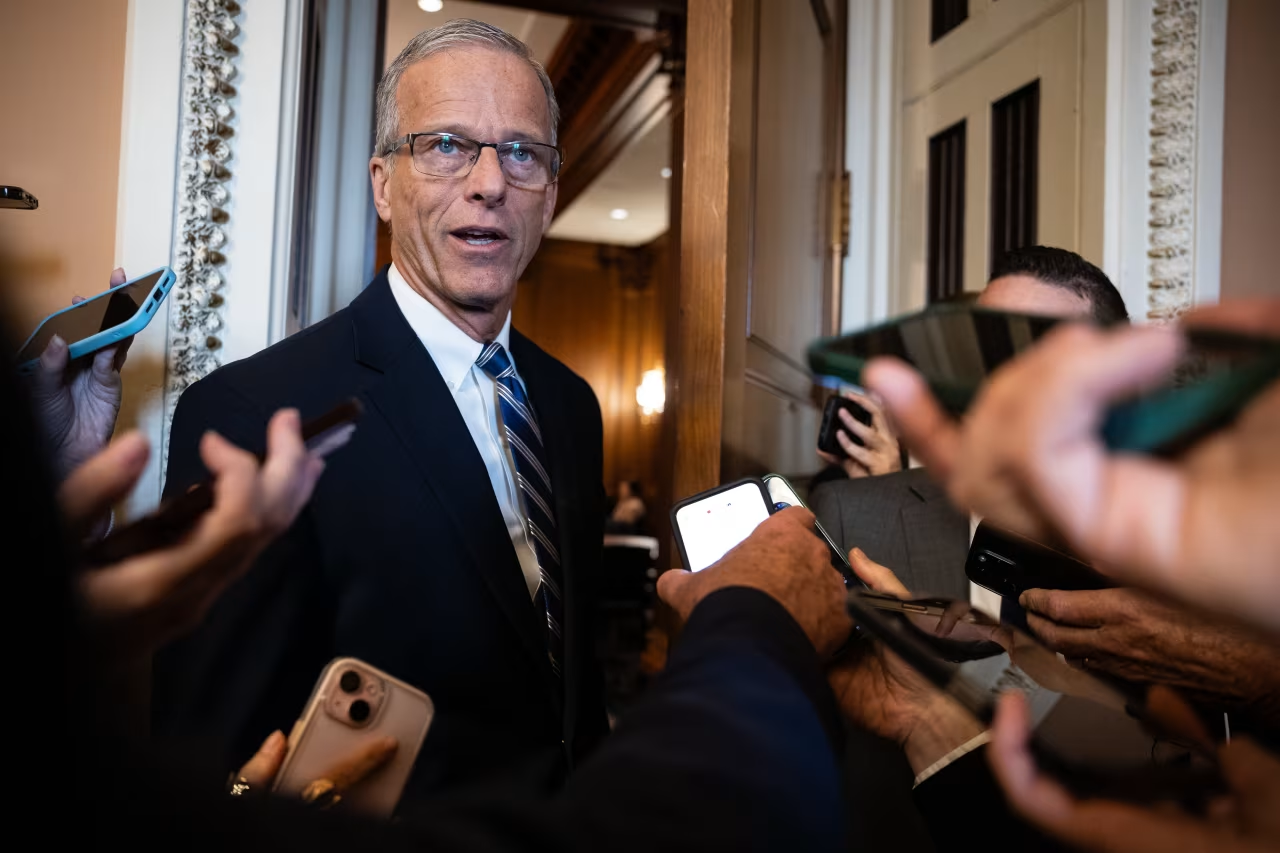


The United States government shutdown reached a crucial turning point on November 9, as the Senate advanced a bipartisan deal aimed at reopening federal operations amid mounting economic and social pressure across the nation. In a late-night vote, senators approved a compromise forged between eight centrist Democrats, Republican leaders, and President Donald Trump’s administration. The agreement followed a week of stalled negotiations and rising anxiety over the shutdown’s growing impact on millions of Americans.
At the core of the Senate compromise is a Democratic pledge to hold a future vote on extending enhanced Affordable Care Act subsidies. The proposal to reinforce healthcare coverage reflects an urgent political imperative, as recent premium hikes threaten affordability for many families in 2026. With healthcare costs under scrutiny, the Senate’s 60–40 vote marks a potential end to the uncertainty that has weighed heavily on federal workers, beneficiaries, and businesses throughout the shutdown.
However, the deal is not yet final. Procedural rules allow any individual senator to delay final consideration by several days, potentially prolonging the government closure despite the breakthrough. Additionally, the House of Representatives must reconvene from recess to review and approve the Senate’s agreement. Only after both chambers pass the measure will it proceed to President Trump’s desk for signature and enactment.
Meanwhile, the shutdown’s consequences continue to deepen across the country. Transportation Secretary Sean Duffy warned that air travel in the lead-up to Thanksgiving might be “reduced to a trickle,” as staffing shortages strain airport security and control operations. The Federal Aviation Administration and related agencies remain under severe pressure, with delays mounting and essential oversight activities postponed. The warning underscores the urgency for lawmakers to restore funding before the peak holiday travel period begins.
The Department of Agriculture has also instructed states to suspend full SNAP (food stamp) benefit distributions after a Supreme Court ruling limited the department’s authority to issue payments during the shutdown. This halt in food assistance threatens millions of low-income households already struggling with rising grocery costs. State administrators across the country are scrambling to identify emergency measures to support families left without aid, while food banks and charities report a sharp increase in demand for assistance.
Politically, the shutdown has deepened divisions on Capitol Hill. Lawmakers from both parties face mounting frustration from constituents as small businesses, federal contractors, and public institutions continue to feel the effects of stalled services. Essential operations—ranging from visa processing to federal loan approvals—remain in limbo. While the Senate’s deal demonstrates a bipartisan willingness to move forward, the potential for renewed gridlock remains if procedural obstacles or partisan disputes delay implementation.
The Senate’s vote offers cautious optimism but not resolution. Until both chambers act and the president signs the bill, the government remains officially closed—leaving Americans uncertain as the holidays approach. Federal employees, airline passengers, and families dependent on federal assistance continue to wait for relief, watching to see whether Washington can finally end the shutdown before deeper disruptions take hold.