
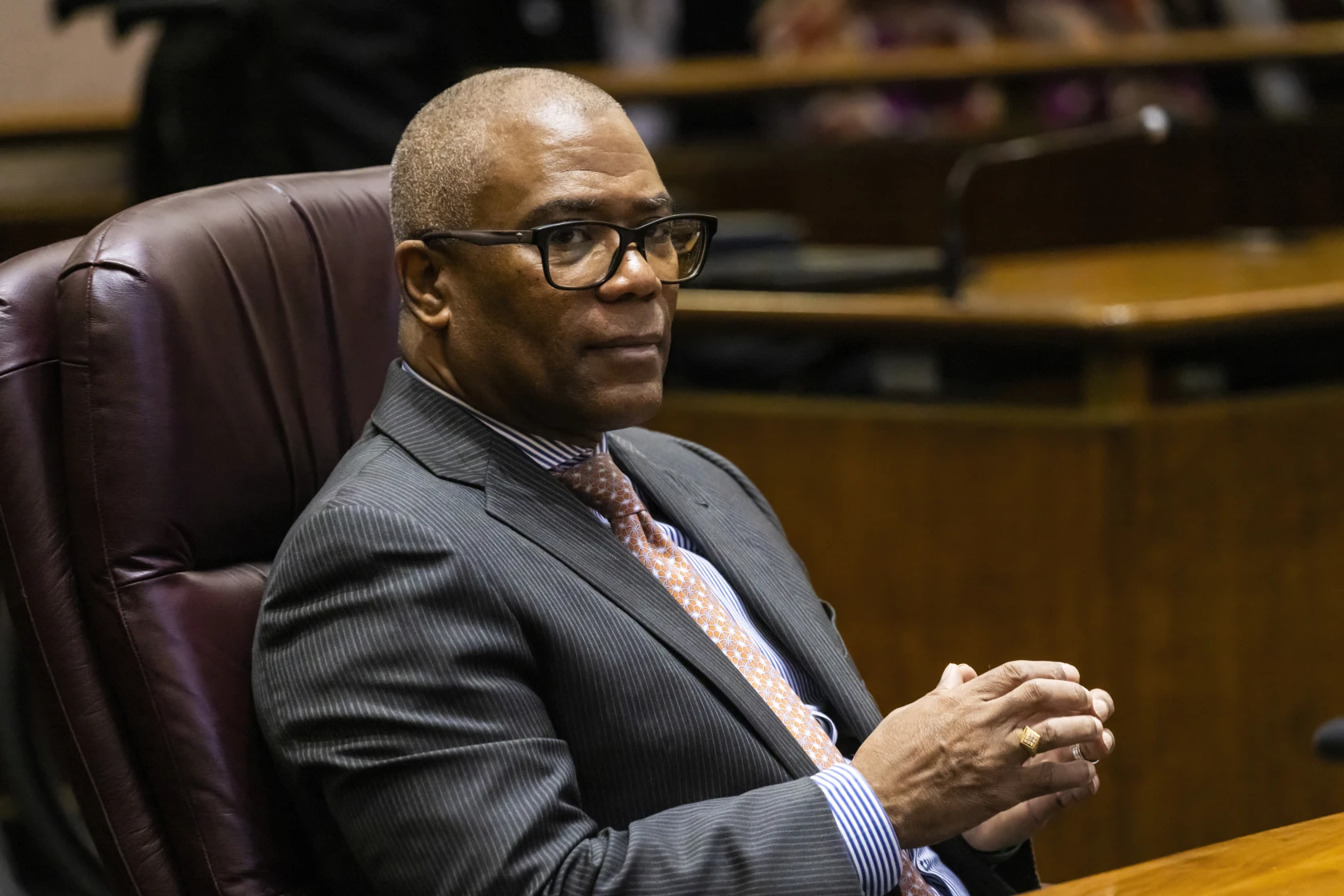


Alderman Walter Burnett Jr.’s decision to abstain from voting on a controversial measure regarding ShotSpotter, a gunshot detection system, has left its supporters scrambling to secure enough votes to override Mayor Brandon Johnson’s threatened veto.
This development significantly impacts the debate around public safety and technology use in Chicago, with Burnett’s move potentially altering the city’s approach to crime detection and prevention.

The Background
ShotSpotter is a surveillance technology used by law enforcement to detect and pinpoint gunshots in real-time. Advocates argue that it’s an effective tool in crime prevention and response, while opponents believe it contributes to over-policing and has questionable accuracy. Mayor Johnson, who has expressed skepticism about ShotSpotter, has hinted at using his veto power to block continued funding for the system. The stakes are high, as this vote could shape the future of surveillance technology in Chicago.
Burnett’s Pivotal Role
Alderman Burnett’s decision not to cast his vote is a significant setback for ShotSpotter supporters.
Burnett, who represents the 27th Ward, has a history of making key decisions in contentious votes. His stance on ShotSpotter was widely seen as the deciding factor in whether Mayor Johnson’s veto would be challenged. Without Burnett’s support, the likelihood of an override has drastically diminished, leaving ShotSpotter advocates in a difficult position.
Burnett cited concerns over the divisive nature of the debate and stated that he didn’t want to escalate the conflict between the council and the mayor’s office.
Impact on the Community
The debate around ShotSpotter is emblematic of a larger discussion on public safety, technology, and policing strategies in Chicago. Supporters of the technology argue that it’s a critical tool for law enforcement to respond quickly to violent crimes, thereby reducing response times and potentially saving lives.
They also point to ShotSpotter’s deployment in other major cities as proof of its utility.
However, critics, including community activists and some members of the city council, contend that the system is expensive, prone to false alerts, and disproportionately impacts communities of color.
They argue that funding should instead be directed to community-based violence prevention programs and mental health services. The possibility of losing ShotSpotter could force the city to explore alternative strategies for tackling gun violence.
What’s Next?
With Burnett’s abstention, ShotSpotter supporters are now evaluating their options. They may attempt to rally other council members or push for a compromise measure that could gain broader support. The vote’s outcome could set a precedent for how similar technologies are evaluated and funded in the future.
This development also marks a pivotal moment for Mayor Johnson, as it is one of the first significant policy challenges of his administration. His decision to oppose ShotSpotter funding may resonate with his voter base, who favor reallocating resources to other public safety strategies.