
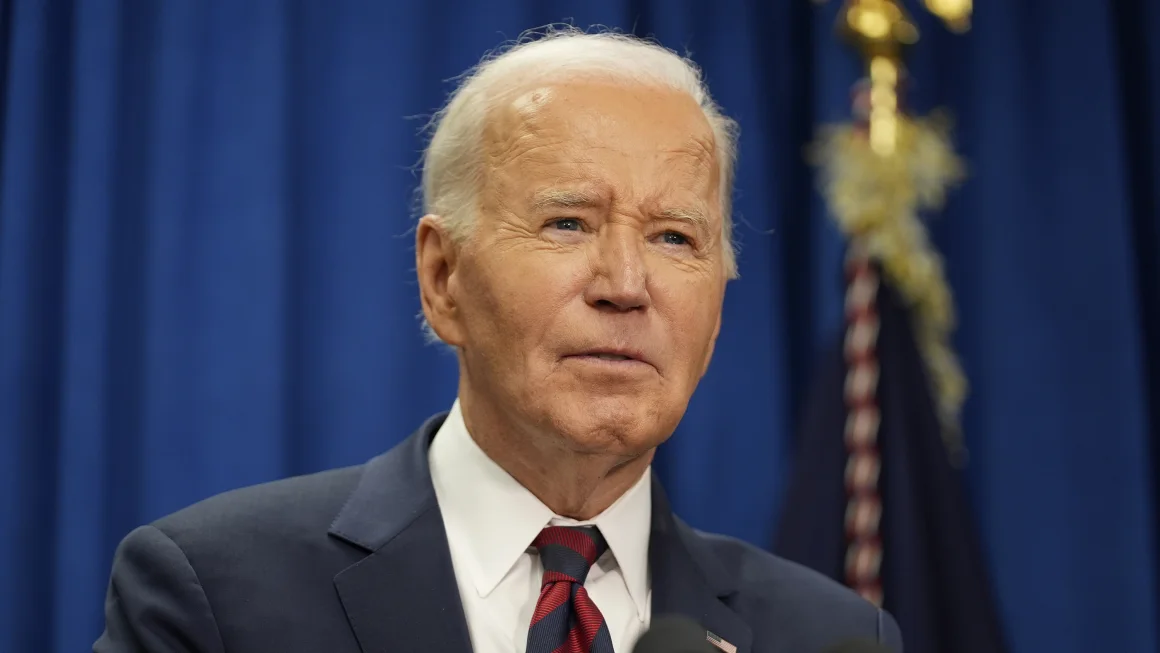


In a striking final act before leaving office, President Joe Biden issued a series of preemptive pardons, including for Dr. Anthony Fauci, General Mark Milley, and former January 6 Committee members, to shield them from potential legal action under incoming President Donald J. Trump, who has vowed to pursue “retribution.”
Who Did Biden Pardon?
The list includes high-profile figures such as:
- Dr. Anthony Fauci, the former head of the National Institute of Allergy and Infectious Diseases, who has faced scrutiny and criticism from Trump and his allies for his handling of the COVID-19 pandemic.
- General Mark Milley, former Chairman of the Joint Chiefs of Staff, who has been a target of criticism for his actions during Trump’s first term, including alleged attempts to safeguard democracy.
- Liz Cheney and other members of the January 6 Committee, who were instrumental in investigating the Capitol riot and have faced calls for prosecution from Trump supporters.
What Is a Preemptive Pardon?
A preemptive pardon is a controversial use of executive clemency, granting legal immunity to individuals for actions they may have committed, even if they have not yet been charged or convicted of a crime. While legal under U.S. law, such pardons often spark debate over their ethical implications.
Why Did Biden Pardon Fauci and Milley?
Biden’s decision appears to be a direct response to Trump’s repeated promises of “justice” against individuals he perceives as part of a “deep state” or political opposition. During his campaign, Trump specifically mentioned investigating Fauci and Milley for their roles during his presidency and the subsequent transition.
Biden’s administration defended the move, stating it was necessary to prevent political retaliation and to uphold the integrity of public service.
Reaction to the Pardons
- Trump Allies: Critics, including Fox News commentators, blasted the pardons as a “partisan shield,” accusing Biden of undermining justice.
- Supporters of Biden: Advocates praised the decision, arguing it was a bold move to protect public servants from politically motivated attacks.
- Legal Experts: Debate continues over the legitimacy and appropriateness of preemptive pardons, with some questioning whether such acts set a dangerous precedent.
What’s Next?
As Trump prepares to take office, the pardons add a dramatic twist to an already contentious political climate. The incoming administration has yet to comment on whether it will challenge these pardons or seek other avenues to investigate those on Biden’s list.
This marks one of Biden’s final acts as president, ensuring his departure from the White House is as consequential as his time in office.