
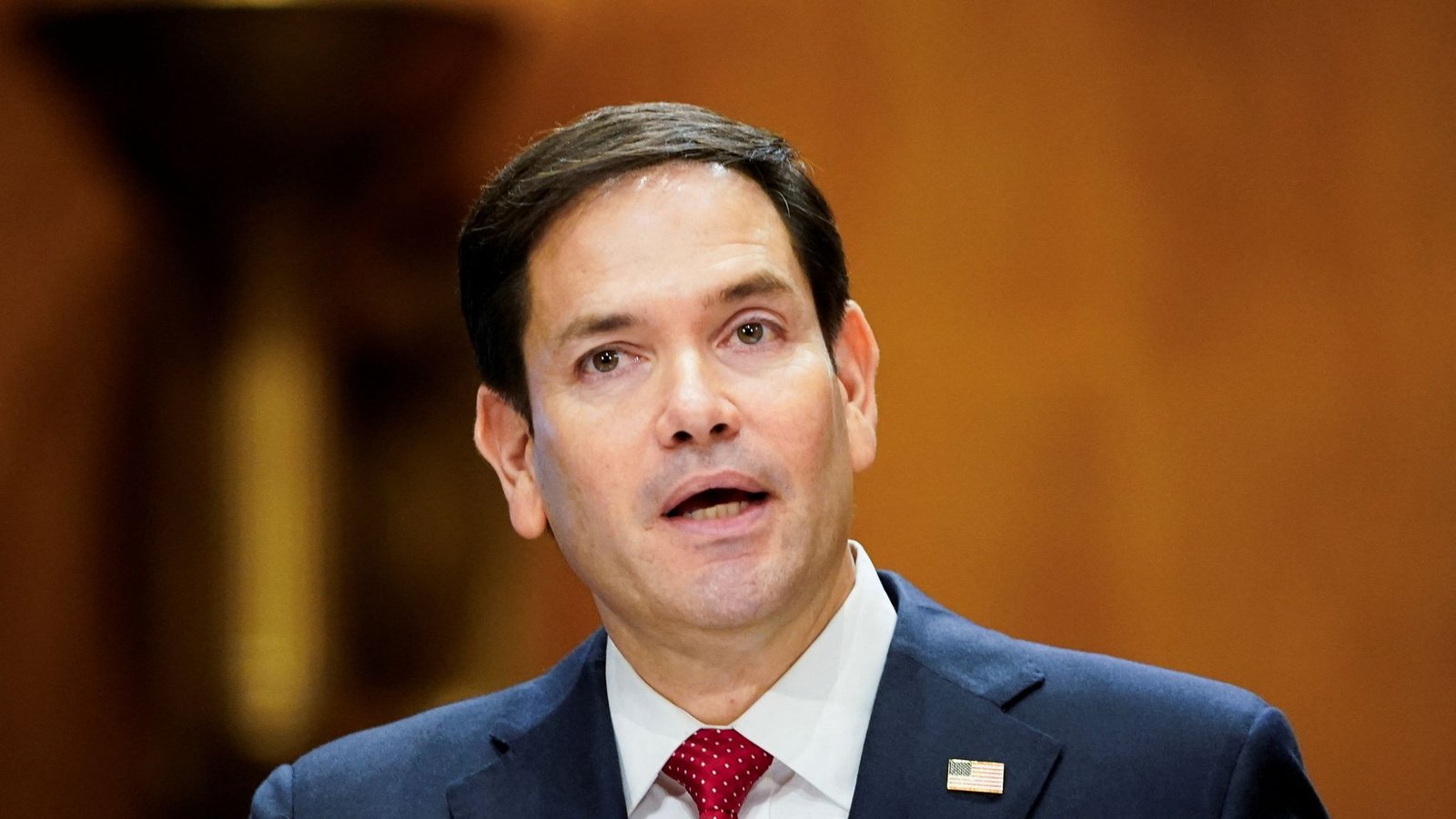


Marco Rubio, the president-elect’s pick for secretary of state, detailed the core principles of Donald Trump’s “America First” foreign policy during his Senate confirmation hearing on January 15, 2025. Rubio, who is widely expected to win Senate confirmation, outlined a strategy that emphasized prioritizing U.S. interests over international norms and taking a more pragmatic approach to global challenges.
Key Pillars of “America First” Foreign Policy
Rubio’s vision for U.S. foreign policy under Trump’s second term stresses several core priorities that will guide America’s international engagements. These include:
- Commitment to Core Allies: Rubio emphasized that the United States will continue to stand by key allies, particularly Israel and Taiwan, as part of its broader strategic interests.
- Countering China Aggressively: One of the most significant changes in U.S. foreign policy would be a more assertive approach toward China, especially in economic and military spheres. Rubio indicated that the U.S. would ramp up efforts to curb Chinese influence across the globe.
- Realistic Engagement with Ukraine and Global Crises: Rubio called for a more “realistic” approach to situations like the war in Ukraine. While the U.S. would continue to support Ukraine’s sovereignty, Rubio highlighted that foreign assistance would be linked to advancing U.S. interests, such as economic or geopolitical gains, rather than purely humanitarian concerns.
- Humanitarian Aid Based on U.S. Interests: In a stark shift from past policies, Rubio suggested that the U.S. would reevaluate its involvement in global crises, focusing foreign aid and intervention only when it aligns with U.S. national interests.
Challenges Ahead for Rubio as Secretary of State
If confirmed, Rubio will inherit a range of diplomatic challenges. These include navigating tensions with China, managing relations with traditional allies, and addressing ongoing conflicts where U.S. interests are not clearly defined. The strategy proposed by Rubio marks a distinct departure from traditional diplomatic norms, favoring transactional relationships that offer clear benefits to the U.S.
Despite these challenges, Rubio’s nomination has largely been viewed favorably within the Senate, with strong backing from Republican senators who support Trump’s “America First” agenda. However, the approach could face resistance from Democrats and some international partners who may see this strategy as a departure from multilateralism.
A Pragmatic and Nationalist Approach
Rubio’s confirmation hearing paints a picture of a more nationalist, pragmatic approach to diplomacy. The emphasis on putting American interests first and scaling back involvement in global humanitarian efforts represents a shift from the more traditional multilateral diplomacy that has defined U.S. foreign policy in recent decades.
As Trump’s second term begins, the potential appointment of Marco Rubio to the role of secretary of state signals a new direction for U.S. foreign relations, one that prioritizes American power and influence over cooperative global engagement.