
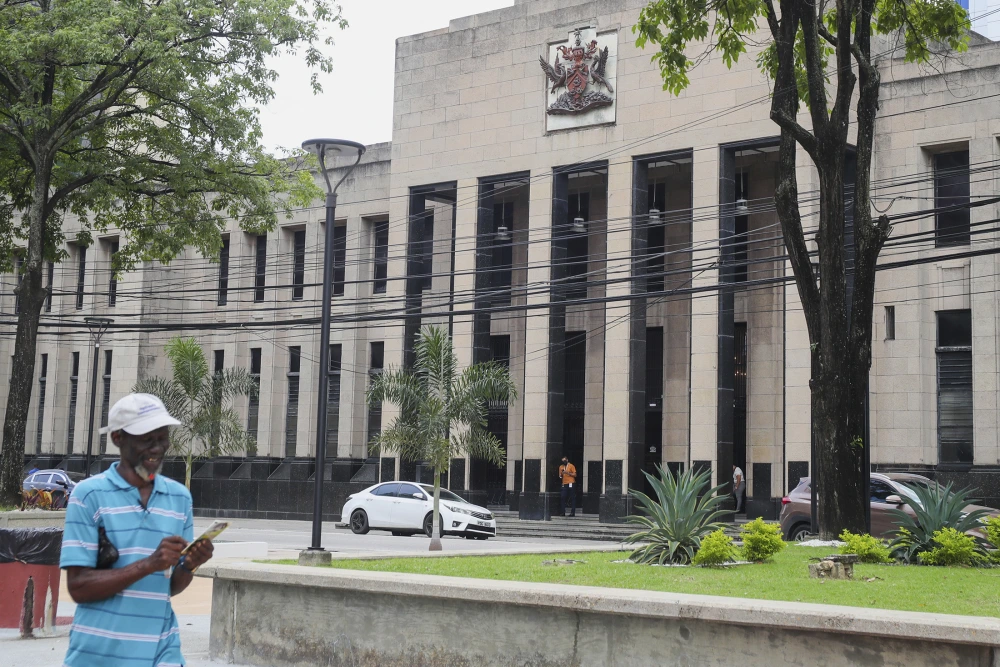


The government of Trinidad and Tobago has declared a state of emergency as it intensifies efforts to curb escalating gang violence. The decision, announced on December 30, 2024, follows a weekend of deadly shootings and reprisals that left multiple individuals dead and communities in turmoil.
Prime Minister Keith Rowley addressed the nation, emphasizing the urgent need for decisive action to combat the wave of violence gripping the twin-island nation. “We will not allow criminal elements to hold our citizens hostage,” Rowley said in a televised statement. “This state of emergency is a necessary measure to restore safety and order.”
A Surge in Gang-Related Violence
The declaration comes after a particularly violent weekend in which gang-related attacks claimed at least 12 lives across several districts, including Port of Spain and Laventille. Police reported that the killings stemmed from rivalries between organized criminal groups, with several incidents appearing to be retaliatory in nature.
Trinidad and Tobago, a country with a population of just over 1.5 million, has long struggled with gang-related violence fueled by drug trafficking and illegal firearms. While authorities have previously implemented targeted anti-crime initiatives, the recent spike in violence has highlighted the need for more robust measures.
Measures Under the State of Emergency
Under the state of emergency, curfews have been imposed in high-risk areas, and the military has been deployed to assist law enforcement in maintaining order. Security forces have also launched a series of coordinated raids aimed at dismantling gang operations and confiscating illegal weapons.
Minister of National Security Fitzgerald Hinds stated that the crackdown would be uncompromising. “We are going after the leaders, the financiers, and the enforcers of these criminal organizations,” Hinds said. “This is about reclaiming our streets and protecting our communities.”
Citizens have been urged to comply with the emergency measures, which include restrictions on public gatherings and heightened security checkpoints. Authorities have also set up a hotline for residents to report suspicious activity anonymously.
Mixed Reactions from the Public
The declaration of a state of emergency has drawn mixed reactions from the public and human rights organizations. While many citizens have welcomed the government’s firm stance, others have expressed concerns about potential abuses of power and the long-term effectiveness of such measures.
“People are tired of living in fear,” said community activist Shania Matthews from Laventille. “If this crackdown brings peace, we’re all for it. But we also need to see investments in education, jobs, and community programs to address the root causes of crime.”
Next Steps
The government has assured citizens that the state of emergency is a temporary measure and will be reviewed within 30 days. In the meantime, Prime Minister Rowley has called on regional and international partners to support Trinidad and Tobago’s efforts to tackle the underlying issues of organized crime.
This is not the first time the nation has resorted to such drastic measures. A similar state of emergency was declared in 2011, though critics argue that it yielded limited results. As the country braces for the weeks ahead, all eyes will be on the government’s ability to balance security with civil liberties and deliver lasting solutions.