
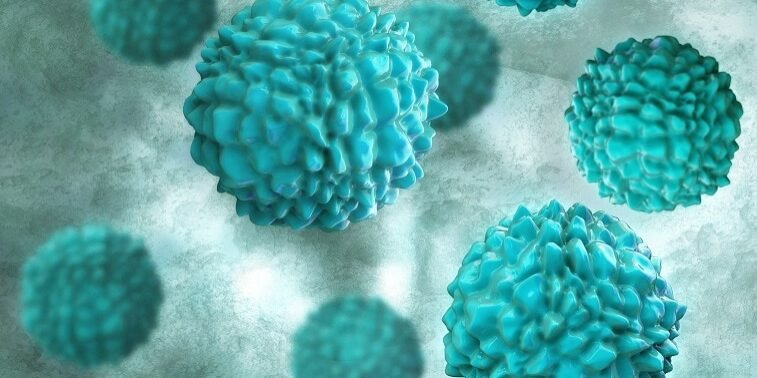


Norovirus outbreaks are spiking across the United States, raising alarm due to the virus’s highly contagious nature and its capacity to spread rapidly in crowded environments. Often referred to as the “stomach flu,” norovirus is responsible for up to 21 million cases of acute gastroenteritis annually in the U.S., according to the Centers for Disease Control and Prevention (CDC).
Symptoms of Norovirus
Norovirus infection typically manifests within 12 to 48 hours after exposure. Symptoms include:
- Severe vomiting and diarrhea
- Abdominal pain or cramping
- Nausea
- Fever and chills
- Fatigue and body aches
While symptoms generally resolve within one to three days, dehydration remains a significant concern, particularly among young children, older adults, and those with weakened immune systems.
How Norovirus Spreads
The virus is highly resilient, capable of surviving on surfaces for prolonged periods. It spreads through:
- Direct contact with an infected person
- Consumption of contaminated food or water
- Touching contaminated surfaces and then touching the mouth
Outbreaks are common in confined spaces such as schools, cruise ships, nursing homes, and restaurants, making rapid transmission a significant risk.
Who Is Most at Risk?
Although anyone can contract norovirus, certain groups are more vulnerable to severe symptoms:
- Children under five years old
- Elderly individuals, particularly in communal living settings
- People with pre-existing health conditions
Prevention Measures
Public health officials emphasize the importance of preventive measures to curb the spread of norovirus:
- Frequent Handwashing: Wash hands with soap and water for at least 20 seconds, particularly after using the bathroom and before preparing or eating food.
- Disinfection of Surfaces: Clean and disinfect high-touch surfaces with bleach-based cleaners. Norovirus is resistant to many common disinfectants.
- Proper Food Handling: Avoid preparing food for others if you are feeling unwell. Wash fruits and vegetables thoroughly before consumption.
- Stay Home When Sick: Infected individuals should stay home until at least 48 hours after symptoms subside.
Current Outbreaks and Public Response
Health officials report that the recent surge in outbreaks coincides with the colder months, a period when norovirus activity typically increases. States including California, Florida, and New York have reported significant case clusters, prompting schools and nursing facilities to heighten sanitation protocols.
Dr. Lindsey Parker, an infectious disease specialist, emphasized the need for vigilance. “Norovirus can spread like wildfire in communal environments. Prevention starts with personal hygiene and timely action to isolate symptomatic individuals,” she stated.
Seeking Medical Attention
In severe cases, particularly when dehydration occurs, medical intervention may be necessary. Symptoms like prolonged vomiting, dizziness, or inability to retain fluids should prompt immediate medical attention.
Norovirus outbreaks serve as a stark reminder of the importance of maintaining hygiene and taking swift action during illness to protect vulnerable populations. As cases continue to rise, public health agencies are urging communities to prioritize prevention and awareness to minimize the virus’s impact.