
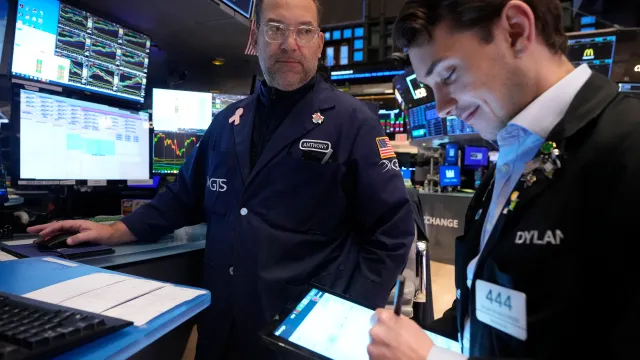


The U.S. stock market experienced a sharp downturn on Tuesday, with the Dow Jones Industrial Average (DJIA) plunging more than 1,100 points, marking its longest losing streak since 1974. This dramatic decline came after the Federal Reserve indicated that it may slow down its rate-cutting trajectory in 2025, sparking fears of prolonged economic challenges.
Stock Market Impact
The Dow’s significant drop led to a broad market selloff, with the S&P 500 and Nasdaq also facing steep declines. The S&P 500 index, which tracks the performance of 500 large companies, fell by over 3%, while the Nasdaq, heavily weighted with tech stocks, dropped even further. Analysts attributed the market’s woes to growing concerns about the Federal Reserve’s plans for interest rates, as well as broader economic uncertainty.
Fed’s Stance on Rate Cuts
Federal Reserve Chairman Jerome Powell and other central bank officials have been signaling that they may hold off on aggressive rate cuts next year, given the current state of the economy. Investors had been hoping for a more dovish stance, anticipating that the Fed would continue to ease monetary policy to stimulate growth. However, the Fed’s comments on Tuesday dampened those expectations, causing a wave of selling across the stock market.
Economic Concerns Mount
The Fed’s decision to signal fewer rate cuts in 2025 has led to concerns about the potential for a slower recovery in the U.S. economy. Higher interest rates can make borrowing more expensive, which could hurt consumer spending and corporate investment. Additionally, with inflation still above target, many investors are worried that the central bank may need to keep rates elevated for a longer period, putting further pressure on stock prices.
What’s Next for the Market?
With the Fed’s cautious approach to rate cuts, many are now questioning how long the market’s volatility will persist. Some experts believe that the current market correction could continue into the first quarter of 2025 as investors adjust to the new economic landscape. Others argue that once the market fully digests the Fed’s signals, a recovery could follow, especially if inflation continues to subside.
As the year-end approaches, market watchers will be keeping a close eye on the Federal Reserve’s actions and any potential economic data that could provide clarity on the direction of the U.S. economy.